
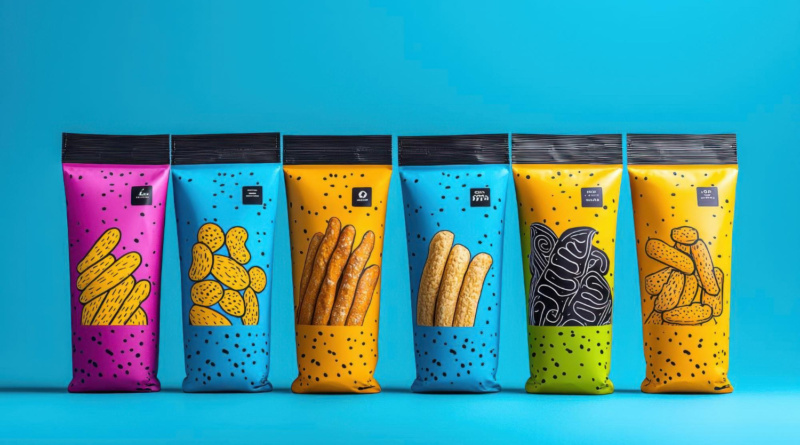
Sustainable Innovation and Visual Appeal in Snack Packaging
In the highly competitive world of snack foods, packaging plays a critical role far beyond simply containing the product. It must communicate brand identity, ensure freshness, and meet logistical needs across various distribution channels. With shifts in consumer behavior and increasing sustainability awareness, the design and functionality of snack packaging are being reimagined. Material choices, resealability, visual storytelling, and shelf-life extension are now key considerations in development. As consumers lean toward convenience and environmental responsibility, brands must deliver packaging that satisfies both. Today’s buyers are more informed, selective, and loyal to brands that demonstrate thoughtful innovation. Keep reading to explore how the future of snack presentation is being shaped through smarter, greener design that appeals to both hearts and minds.
Maintaining Freshness Without Compromise
One of the biggest challenges in snack preservation is ensuring crispness and flavor retention long after production. Exposure to moisture and oxygen can degrade quality rapidly, especially in lightweight fried or baked snacks. Modern packaging technology uses multilayer barrier films and modified atmosphere systems to combat these threats. These films are engineered to provide tight seals while resisting tears or punctures during handling.
At the same time, innovation is focusing on reducing reliance on non-recyclable materials. Brands are exploring alternatives like compostable films and bio-based resins that deliver protection without lasting environmental impact. The goal is to strike a balance between functional performance and environmental responsibility, ensuring freshness without relying on materials that contribute to long-term waste.
Whether distributed through retail shelves, vending machines, or e-commerce channels, preserving product integrity is essential for consumer satisfaction. Packaging is the silent partner that ensures every bite meets expectations. Even minor compromises in texture or flavor can lead to brand erosion over time, so packaging must work just as hard as the product itself.
Creating a Visually Memorable Experience
In-store competition is fierce. With rows of products competing for attention, packaging has just seconds to capture a consumer’s interest. Bold visuals, creative typography, and intentional color choices can make all the difference. Packaging isn’t just a protective layer—it’s a brand’s frontline communicator, shaping perception before the product is even tasted.
Design trends continue to evolve toward cleaner layouts, earth-tone palettes, and storytelling through minimal graphics. Window cutouts that reveal the actual product are also gaining popularity, reinforcing trust and transparency. Meanwhile, textures and finishes like matte films, spot varnish, or foil stamping help elevate perceived value.
Importantly, brands must consider design from both a functional and emotional standpoint. Easy-to-hold shapes, tear notches, and resealable options improve the user experience, while compelling visuals reinforce positioning and recall. Packaging becomes a touchpoint for brand storytelling and consumer loyalty. The look and feel of a bag can influence whether someone tries a product for the first time or becomes a lifelong customer.
Resealability and On-the-Go Functionality
Convenience is a top priority in packaging design today. Busy lifestyles demand formats that fit easily into backpacks, handbags, and car cup holders—without compromising ease of use or product safety. Resealable zipper closures, tear strips, and portion-controlled options allow for snacking over time, reducing waste and mess.
These features are not just value-adds; they are often deal-breakers for modern consumers who prioritize flexibility. Parents, travelers, and commuters expect packaging that adapts to their routines, not the other way around. In addition, the rise of multipacks and shareable formats means packaging must perform for a variety of usage patterns and consumer demographics.
Advances in flexible film structures and locking mechanisms are helping brands respond to this demand. The result is not just improved convenience, but also longer shelf life and less spoilage from opened or improperly stored snacks. Design teams now consider resealability a core feature, not an optional upgrade. It’s a vital element that supports both customer satisfaction and sustainability goals by reducing food waste.
Material Innovation with Sustainability in Mind
Environmental impact is one of the defining issues in the evolution of packaging. The snack industry, historically dependent on single-use plastics, is under increasing pressure to reduce its footprint. As awareness spreads, so too does demand for biodegradable, recyclable, or compostable materials that align with circular economy principles.
Innovators are developing packaging solutions made from plant-based polymers, paper-laminate blends, and mono-materials that are easier to recycle. These advances allow brands to shift away from petroleum-based packaging without compromising performance. Certifications, clear disposal instructions, and visible sustainability messaging help consumers participate in responsible behavior.
Manufacturers are also improving energy efficiency in production and reducing ink use by simplifying printing processes. These changes not only support environmental goals but also often lead to cost savings and streamlined operations. As regulations tighten and consumer expectations grow, sustainable packaging has moved from niche to necessity. Retailers are increasingly stocking brands that align with their sustainability standards, adding another layer of incentive for innovation in this space.
Scalability and Logistics Considerations
Efficiency across the supply chain starts with the right packaging format. It must be lightweight to reduce freight costs, durable to withstand handling, and compact enough to optimize shelf space. For large-scale manufacturers, packaging must also integrate smoothly with automated filling and sealing equipment to avoid bottlenecks and downtime.
Form factors like pillow packs, stand-up pouches, and rigid containers each offer different advantages. Selection depends on the product’s physical properties, route to market, and merchandising needs. Durability in transit, resistance to environmental changes, and ease of palletization are critical components of a successful packaging strategy.
Logistics teams also evaluate how packaging stacks, stores, and displays. Consumer-facing features like display-ready trays, smart labeling, and QR codes for digital engagement or traceability are increasingly popular. These innovations help brands gain efficiencies at scale while maintaining a strong retail presence, especially in large-format stores or direct-to-consumer channels.
As all these variables are considered in design, one element stands out—chips packaging is no longer just about protection. It’s a multi-dimensional tool that supports marketing, sustainability, supply chain efficiency, and consumer trust in one cohesive experience. It’s the intersection of form, function, and forward-thinking that determines which brands break through and which fade into the background.