
From Chalkboards to Handhelds: Teaching in the Age of Creative Disruption
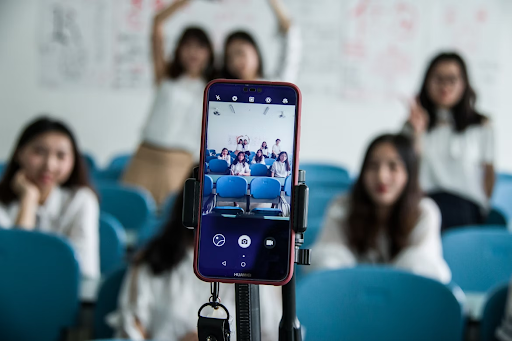
Remember when the height of classroom tech was an overhead projector and a VHS cart? Now, kids hold tiny studios in their pockets. Their assignments can be filmed, edited, and shared—all from a device that fits in their hand.
That’s not just teaching. That’s co‑creating multimedia art with students. And if you’re an educator who’s tired of battling dusty equipment and stale lesson plans, there’s never been a more electrifying moment in education.
Let’s talk about how to ride that wave, without drowning in gadgets.
1. Rethink Tech, Without Getting Overwhelmed
You don’t need a cart full of tablets to make class more engaging. Start smaller. Ask: What creative task could students do this week that doesn’t require a school-issued device?
Maybe it’s a selfie storytelling prompt or a soundscape assignment using phones. If your school allows students to bring their own—perhaps even a pre‑owned mobile phone—that’s fine too. Older devices can record, edit, and share just as well as brand‑new models.
The key: creativity over currency.
2. Flip the Script: Student-Generated Content
Stop lecturing. Let students teach each other.
Divide your class into micro‑teams. Give each one a topic and a simple tool, like a voice memo app or a cheap audio recorder. Ask them to script two‑minute lessons, record them, and share with the class.
What you’ll see:
- Students naturally pick visuals to teach.
- The class listens differently to peer voices.
- Tech becomes the medium, not the distraction.
A tiny device doesn’t just tell facts—it tells stories.
3. Make Assessment Creative, Not Just Corrective
Quizzes are fast. Creative projects last forever.
Want students to show they understand fractions? Skip the multiple‑choice. Give them scenarios—baking, shelving, budgeting—and ask them to show their solution, using a photo, screen recording, or short dramatization.
They’ll doodle, act, compose music, or design visuals. And you’ll get more insight than any bubble sheet can give.
4. Foster Digital Citizenship Through Practice
If students are using smartphones, they’re already shaping digital culture. But are they thinking about it?
Prompt them with questions:
- What makes a thumbnail click-worthy?
- How do tone and pacing change when talking into a camera?
- What does responsible sharing look like?
Assign mini‑lessons around respect, consent, and context. Online life isn’t separate from “real” life—it is real life for so many of them.
5. Collaborate Across Subjects
Filming a poetry reading in English? Invite art students to design subtitles. Recording historical interviews? Get media students to mix soundscapes.
Cross‑disciplinary projects show how fields connect—and how empathy, creativity, and tech blend into powerful storytelling.
Plus, nothing snaps students into engaged mode like working with another class and seeing their effort pay off beyond one teacher’s feedback.
6. Keep Tech Accessible
Not every student has a new smartphone. Don’t let tech become a barrier.
- Reserve classroom devices for students who need them.
- Accept handwritten scripts or comical paper prototypes.
- Offer “phone‑free” alternatives: stage work, print sheets, or analog storytelling tools.
The goal is not to tech‑test, but to make creativity universal.
7. Reflect on the Process, Not Just the Product
At the end of every project, ask:
- What part made you feel proud?
- What was the hardest tech challenge, and how did you solve it?
- If you could do this project again, what would you try differently?
Reflection builds metacognition. Students learn to see themselves not just as creators, but as thinking creators.
8. Curate the Classroom Portfolio
Keep a shared digital space—a drive folder, blog, or Padlet—where students post their media work. Over time, it becomes a portfolio full of:
- Video explainers
- Interviews
- Photo essays
- Audio reflections
Let families browse it at conferences. Let peers vote on favorites. Let it live beyond the school year, evidencing growth, creativity, and student voice.
9. Stay Human — Even Digital
In a screen-heavy world, connection matters most.
Watch through filmed sessions. Pause to ask: “What inspired that clip?” “How do you feel about sharing this with classmates?” Your human presence keeps tech from becoming a wall between teacher and student.
The Takeaway: Teaching Is Still a Craft
Devices change. Curriculum shifts. But teaching is always about two things: sparking curiosity and nurturing expression.
When you let students make rather than just memorize, you step into the role of guide, not the only source of knowledge.
And you’ll remember why you entered this profession: to watch minds light up as they find their voice, whether that’s through words, visuals, sound, or a camera they bought pre‑owned to save money but poured heart into using.
That’s the future of teaching. Creative, connected, and completely human.