
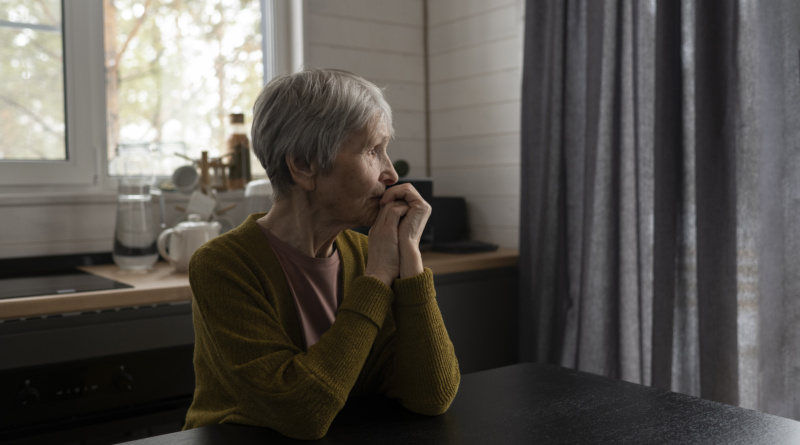
The Real Costs of Neglect In Nursing Homes (Mental, Physical, and Financial)
If you’ve ever had someone in care who suffers or has suffered from a pressure ulcer (bed sores), you know how dangerous it can be.
| In 2004, 159,000 (approx. 11%) of all U.S. nursing home residents suffered from pressure ulcers. – Centers for Disease Control and Prevention |
Of course, initially, the focus is on the medical reality: the wound, the pain, and treatment.
But if not careful, these types of wounds can quickly end up in a stage 4 condition, meaning the wound has gotten really deep, with the possibility of exposed bone and unimaginable pain.
In this article, we’ll go over the full extent of the profound, often hidden costs that can redefine the future of the patient and their family.
1. The Body’s Biggest Organ
Bed sores can be a chronic condition, and unlike a simple cut, they damage our biggest organ – the skin.
The pain from the wound can end up being debilitating, but the incessant dressing changes, adhesives, and repositioning of the body can also be exhausting. Patients often become immobile with the fear of pain, further accelerating muscle atrophy and joint stiffness. It quickly adds up.
This vicious cycle of constant new bed sores, constant bandage changes, and interrupted sleep, combined with fear of pain and discomfort, can lead to a decline in mood and mobility, and may cause bouts of depression and hopelessness.
Something worrisome from a neglect perspective and concerning to families who have loved ones in care.
2. Neglect
Physical and psychological costs are paid when things aren’t right.
When a bed sore is at stage 4, there’s not a lot of likelihood that it’ll heal on its own. Surgical intervention is often required. Surgical debridement or multiple debridements may be necessary to expose healthy skin and tissue so the wound can heal properly.
These are awfully painful and take their toll physically and mentally. Many people can suffer from depression, isolation, and loneliness even when their health is pretty stable. Imagine the psychological effect a chronic condition can have on someone who may not be able to stand the pain, perhaps is not being treated very gently, and feels like there is no one in their corner.
Meanwhile, they’re unhappy, they feel powerless, full of shame, so they withdraw.
3. Specialized Care
During the COVID-19 pandemic, it became abundantly clear that nursing home residents’ basic human rights were being denied.
This is why families must be vigilant in checking up on elderly relatives and those who care for them.
Make friends with the care nurses and those who interact daily with the patients. Take notice of how things are done and be kind to everyone who is involved in every aspect of the facility. Talk to the kitchen staff, the servers, and see if anything seems amiss.
This’ll help keep everyone on top of their game. Sometimes specialized medical care will be needed, and the focus has to be on fixing the medical issues now and asking questions later.
4. Complications
The scary part of a mountain that turns into a molehill is that a bed sore can be dangerous and sometimes fatal.
If there is bone exposed at your ulcer site, it is highly susceptible to a deep bone infection called osteomyelitis. Treating osteomyelitis requires weeks of intravenous antibiotics and potentially additional surgery to remove the infected bone.
A bigger issue is that an ulcer site can be the ideal spot where bacteria can make their way into the bloodstream, causing sepsis. Sepsis can be fatal, and it acts fast. The bacteria make their way through the bloodstream to every part of the body, and organs can shut down, leading to death.
Healthcare-associated infections – such as those from pressure ulcers – remain a leading cause of preventable harm, underscoring the systemic nature of this issue.
| 2.5 million+ people in the U.S. develop pressure ulcers each year. – Agency for Healthcare Research and Quality (AHRQ)Pressure ulcers cost U.S. nursing homes approx. $3.3 billion (USD) each year. – Agency for Healthcare Research and Quality (AHRQ) |
5. The Ultimate Costs
Death.
Grief, anger, and overwhelming financial cost – this is what the families have to deal with if the worst happens. Systematic failures, no matter why they happen, have left relatives looking for who’s to blame and justice.
Holding an institution accountable will be a grueling journey, but if you need to file a claim for stage 4 pressure sore injuries, it may be the only way to seek justice and prevent this from happening to someone else who is in care.
This may be the only way to bring the issues to the forefront about this profound failure in care.
Conclusion
The time is now to show these facilities that they cannot ‘get away’ with these almost systematic issues.
Not anymore.
Be vigilant, take them to task, and make sure the so-called ‘care’ facility is something to initiate change, so others won’t have to suffer this same torment.