
How Do Multi-Car Accidents on the Long Island Expressway Impact Injury Claims in Queens?
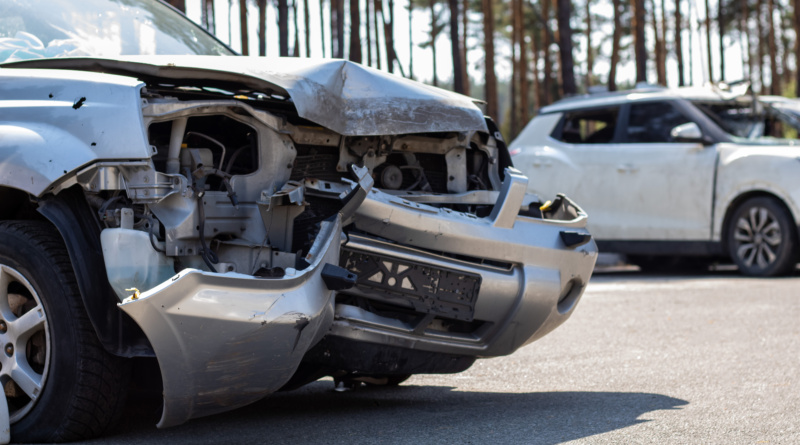
Traffic on the Long Island Expressway often moves fast and tight, leaving little room for error. A single wrong move can trigger a chain reaction that involves several vehicles and causes serious injuries. These multi-car crashes often raise complex questions about who bears responsibility and how damages should be divided. Multi-car accidents on the Long Island Expressway can complicate injury claims in Queens by making it harder to prove fault and recover fair compensation.
Each driver’s actions, from sudden braking to unsafe lane changes, can affect how insurance companies and courts assign blame. In Queens, where traffic patterns and local laws add another layer of complexity, even small details can change the outcome of a claim. Victims must deal with multiple insurers, conflicting reports, and medical costs that continue to grow.
Understanding how these accidents affect injury claims helps victims protect their rights and recover what they deserve. The following sections explain how liability works, what damages may apply, and what legal steps can strengthen a case after a multi-vehicle collision on one of New York’s busiest highways.
How Multi-Car Accidents on the Long Island Expressway Affect Injury Claims in Queens
Heavy traffic, frequent lane changes, and large trucks on the Long Island Expressway often lead to chain-reaction crashes that involve several vehicles. These collisions can create complex injury claims for Queens residents because multiple drivers, insurers, and legal rules affect who pays compensation and how much victims recover.
Typical Scenarios and Causes of Multi-Vehicle Collisions
Multi-car crashes on the Long Island Expressway often start with a single impact that triggers a series of rear-end or side collisions. Heavy congestion near exits, poor visibility, or sudden stops can cause several drivers to react too late.
Common causes include distracted driving, tailgating, speeding, and unsafe lane changes. In winter, snow or black ice on elevated sections of the highway increases the risk of losing control. Truck accidents also cause severe damage because of their size and weight.
These collisions often occur during rush hour between Queens and Nassau County. A single careless move can block multiple lanes, leaving little room for nearby drivers to avoid impact. Each vehicle’s position and speed create unique challenges for proving fault and determining fair compensation.
Determining Fault and Liability Under New York Law
New York uses a comparative negligence system that assigns a percentage of fault to each driver. Even if a driver shares some blame, they can still recover a reduced share of damages. Investigators rely on police reports, witness statements, and physical evidence to decide who caused the initial impact and who contributed afterward.
In multi-vehicle crashes, several drivers may share responsibility. For example, one driver may have braked too late, while another followed too closely. Under joint and several liability, any driver found at fault may be required to cover the full amount of economic losses, such as medical bills or lost wages.
A Queens car accident lawyer for injury claims can review the sequence of events, deal with multiple insurers, and guarantee each responsible party pays their share. This legal guidance helps victims avoid unfair blame and protect their right to full recovery.
Impact of No-Fault Insurance and Serious Injury Threshold
New York’s no-fault insurance system requires each driver’s insurer to cover basic medical expenses and part of lost income, up to policy limits. Victims must file a claim within 30 days to receive these benefits. However, this coverage often falls short in severe crashes involving multiple vehicles.
To pursue additional compensation, victims must meet the state’s serious injury threshold, which includes significant disfigurement, fractures, or long-term disability. Once this threshold is met, they can file a lawsuit against the at-fault drivers for pain and suffering and other non-economic losses.
Understanding these limits is important for anyone injured on the Long Island Expressway. A lawyer familiar with Queens courts can help file the proper claims and guarantee deadlines are met to avoid losing benefits.
Role of Accident Reconstruction and Evidence Gathering
Accident reconstruction plays a major role in multi-car crash investigations. Experts study skid marks, impact points, and vehicle positions to trace the chain of events. They often use traffic camera footage or dashcam recordings to confirm which driver caused the first collision.
Strong evidence can make a major difference in insurance negotiations. The following items are critical after a crash:
- Photos of vehicle damage and road conditions
- Witness contact details and statements
- Police reports and medical records
A skilled attorney coordinates these details to build a clear timeline and challenge inaccurate fault claims. For victims seeking fair compensation, detailed evidence helps prove liability and supports the value of their injury claim.
Insurance Claims, Damages, and Legal Options After a Multi-Vehicle Collision
Multi-car crashes on the Long Island Expressway can involve multiple drivers, overlapping insurance claims, and complex fault determinations. Victims often face high medical costs, missed work, and disputes with insurance companies over liability and fair compensation.
Filing Insurance Claims and Interacting With Insurance Adjusters
After a multi-vehicle collision, drivers must report the accident to their insurance company as soon as possible. Each insurer reviews the police report, witness statements, and photos to decide fault and coverage. In Queens, liability insurance generally pays for property damage and injuries caused by the at-fault driver.
Insurance adjusters often contact victims quickly. Their job is to protect the company’s financial interests, not the claimant’s. Therefore, accident victims should avoid making recorded statements or accepting early settlement offers before understanding the full extent of their injuries.
Personal Injury Protection (PIP) coverage, required in New York, pays for medical expenses and lost wages up to policy limits regardless of fault. However, disputes can still arise over whether certain treatments or costs qualify for reimbursement. Keeping organized records of all medical visits and repair estimates helps support a stronger claim.
Calculating Damages: Medical Bills, Lost Wages, and Pain and Suffering
The value of a personal injury claim depends on both economic and non-economic losses. Economic losses include medical bills, hospital bills, rehabilitation costs, and lost wages from missed work. Victims should save receipts, pay stubs, and doctor reports to document these amounts accurately.
Non-economic damages such as pain and suffering reflect the physical and emotional impact of the crash. Insurance companies often dispute these claims because they lack a fixed dollar amount. Attorneys or insurance evaluators may use medical evidence, treatment duration, and the severity of injuries to estimate a fair value.
If injuries cause long-term disability or affect future earnings, those losses may also factor into the settlement. In some cases, experts calculate projected income loss to support the claim. A clear, well-supported record of all costs and impacts strengthens negotiations with insurers.
Working With a Personal Injury Attorney in Queens
A personal injury attorney or car accident attorney helps victims navigate the complex insurance system after a multi-car crash. They review evidence, identify liable parties, and communicate directly with insurance adjusters to prevent low settlement offers.
In Queens, attorneys familiar with New York’s no-fault and comparative negligence laws can explain how shared fault affects compensation. For example, if several drivers share blame, each may still recover damages reduced by their percentage of fault.
Legal representation also helps preserve evidence such as traffic camera footage, witness statements, and medical records before they disappear. Attorneys often negotiate with multiple insurance companies at once, which can be challenging for accident victims to manage alone.
By guiding clients through claim deadlines and court procedures, a qualified lawyer increases the chance of receiving fair payment for injuries, lost income, and other losses.
Conclusion
Multi-car accidents on the Long Island Expressway often create complex injury claims. Each driver’s actions may affect fault, and even small details can shift how liability is divided. Because several insurance carriers may become involved, delays and disputes often arise.
Accident victims in Queens must collect strong evidence early. Police reports, photos, and witness statements help clarify each driver’s role. Clear documentation can also prevent confusion later in the claims process.
Legal guidance often helps injured parties understand their rights and pursue fair compensation. An attorney can review evidence, handle insurer communication, and calculate damages for medical costs, lost income, and pain. These cases highlight the need for careful attention to detail and prompt action after a crash. Proper documentation and professional advice can make a major difference in how a claim resolves.