
Evolution of Genshin Impact’s Art and Design Over Time: Style, Symbolism, and Identity
Genshin Impact, developed by HoYoverse, has turned into a worldwide gaming phenomenon after its 2020 launch, catching millions of gamers with its open-world division, ultimate fight, and stunning visuals. This post gives you a deep dive into the development of its artwork and optical design, drawing on how trends, symbolization, and territorial identity have evolved over updates. From former anime-inspired esthetics to culturally copious domains, these factors change player engrossment and fight, including through monetization arrangements such as Genshin Impact top up alternatives specified as LootBar. Optic communication in the gaming world is important because it conveys traditional knowledge, personality, and emotion without speech, nurturing gushy bonds that drive long-term play and investment.
The Early Art Style of Genshin Impact:
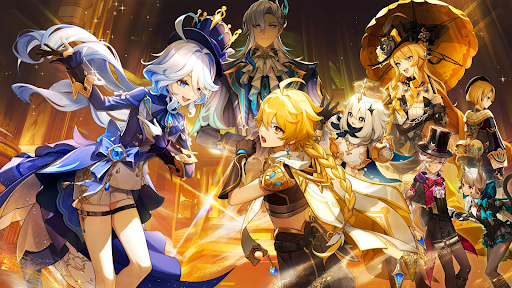
The establishment of Genshin Impact had an anime-inspired appearance with cel-shading, rich colors, and soft lighting that gave players a feel of freedom and adventure for an overwhelming effect. This fashion, merging Breath of the Wild gameplay with elaborated character models, established a solid brand identity element that attracted worldwide audiences. Ahead of time, factors like typical character silhouettes, lavish environment features in Mondstadt’s windswept areas, and self-generated UI cues adjust player anticipations for stunner and coherence.
Character Design Evolution: From Concept to Final Model:
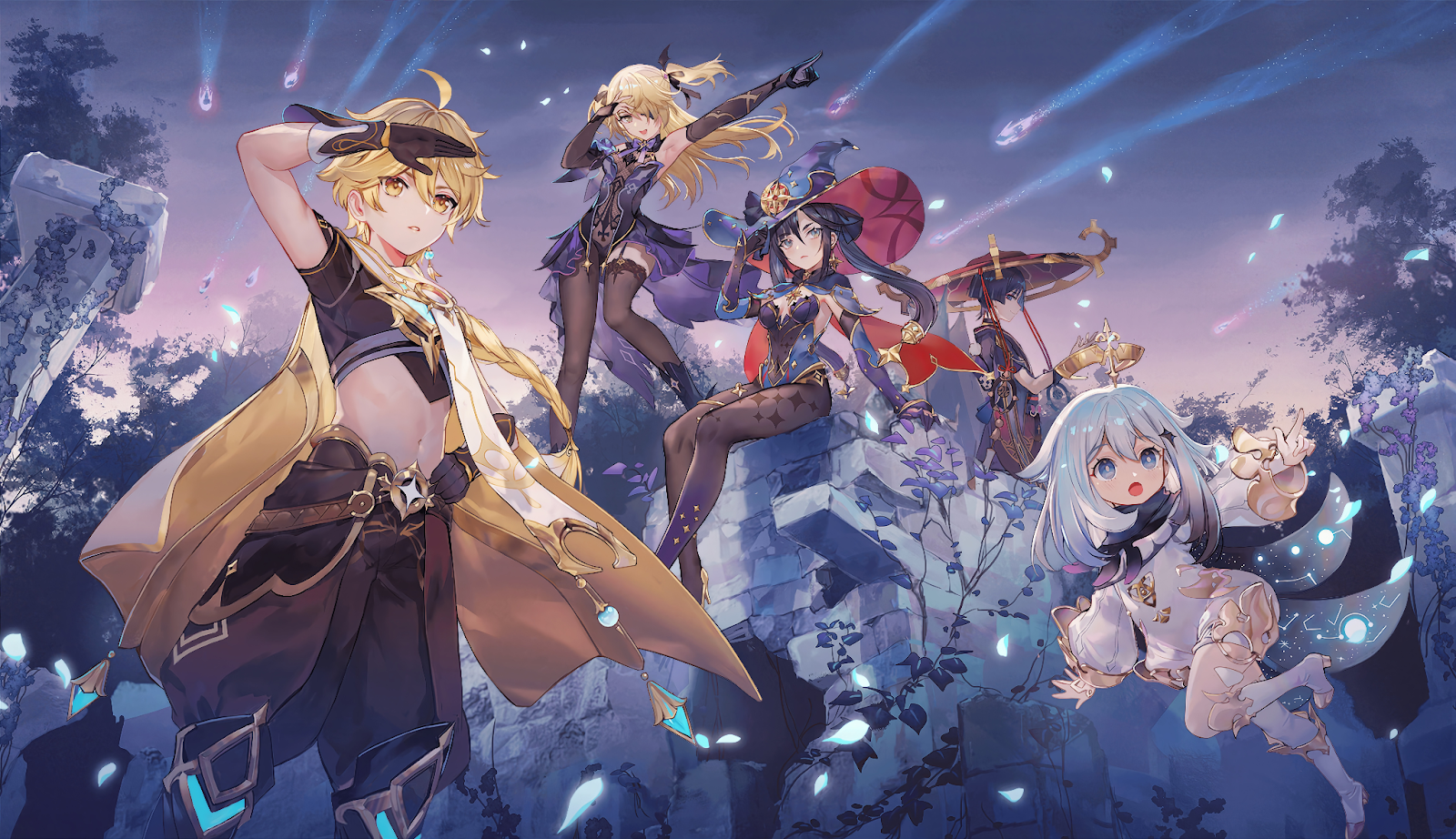
Character figures have full-blown with increased visual polish, complex brios, and fine-tuned particulars. Earlier models were simpler; later ones boast complex surface effects and smooth motion. A prime example is Xiao, an Anemo adeptus from Liyue. His constructed art, at first, depicted a red-and-black outline with a cheerful expression and shirtless figures, giving off a more furious vibe. The last design agitated to dark greens, blue-green hair, and a covert burst form, utilizing cooler colors to indicate Anemo tie-up, add-ons like jade adorns for enigma, and a slim silhouette for lightness and stolidity. This development balances singularity with enfranchisement coherence, assuring characters find part of Teyvat, although standing out.
Symbolism in Visual Design:
Symbolism is interwoven profoundly into Genshin’s visuals. Factors use discrete color schemes: blue-green for Anemo (freedom), greenish for Dendro (nature), purplish for Electro (infinity), and so on, directly communicating their powers. Themes such as feathers for Anemo or cherry blossoms for Electro add layers. Cultural symbolization falls into areas where Liyue’s lanterns and architecture draw on Chinese heritage, carrying prosperity and old lore.
Environmental Storytelling Across Regions:
Each area tells levels through intent. Mondstadt’s gothic, European-inspired cathedrals and open fields evoke a sense of freedom. Liyue’s hilly harbors and blessed hues mull over Chinese brilliance. Inazuma’s wild islands and sakura themes bring isolation under infinity. Sumeru’s rainforests and deserts flux Middle Eastern/South Asian factors for wisdom. Fontaine’s steampunk aqueducts evoke invention, while Natlan’s eruptive tribes cast from Mesoamerican/African charms accent war and resurrection. Landscapes are not simple backgrounds; they tell stories, culture, and Archon ideals.

Design, Player Identity, and Engagement:
Genshin’s visuals nurture a deep, excited bond, players’ primary” characters based on attracting intents, making identities within the community of interests. Aesthetic charm enhances the thrill of fresh brings, shaping decisions such as Genshin Impact top-ups to develop desirable characters faster.
Monetization & Visual Engagement: The Role of Top-Up Platforms
1. What is Genshin Impact Top Up?
Players top up bounty currency such as Genesis Crystals to get Primogems, speeding approach to confined banners for fresh characters, arms, and cosmetics forced by the bang of dazing visuals and hefty kits.
2. LootBar as a Top-Up Option:
LootBar is a favorite third-party platform for Genshin Impact top up, providing leverage of Genesis Crystals and items such as Welkin Moon at discounted rates. A lot of users praise its speed, comfort, and savings, with favorable reviews spotlighting reliability. Even so, as an unofficial service, it bears hazards: HoYoverse warns that third-party top-ups might breach terms, possibly leading to account issues such as negative balances from chargebacks. The community responds differently; a few report no troubles over the years, just that confirmed channels are advisable for safety. Optical desire for fresh designs frequently fuels this psychology, fueling agitation and spending impulses.
Challenges in Evolving Visual Identity:
Keeping up freshness in a long-running game is hard. Community argues spotlight visual clog in denser areas such as Natlan, continual motifs, or shifts, balancing freshness with consistency amongst social representation discourses.
The Future of Genshin’s Visual Evolution:
Future Snezhnaya assures frosty Slavic-inspired magnificence with advanced tech, possibly Soviet-era themes, and big tundras. Nod-Krai might span with unusual fashions. Innovations such as active effects and deeper symbolization will contour expectations, holding visuals developing.
Conclusion:
Genshin Impact’s art has developed from spirited anime roots to culturally stratified masterpieces, utilizing style, symbolization, and identity elements to build up an immersive world. This forces success, community adherence, and worldly engagement through visual temptation. Mull over your favorite designs: which area of aesthetics or character symbolism resonates most with you?