
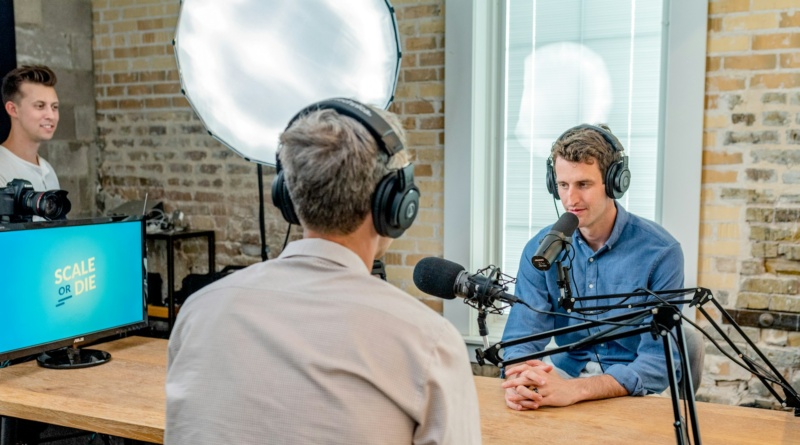
Blending Visual Storytelling With the Rise of Video Podcasting
Podcasting used to reward imagination: you pressed play, and the story happened in your head. Now, many listeners expect a screen, even if they still treat the audio as the main feed. This shift is what is driving video podcasting from a nice-to-have into a default format for many shows and brand series.
Why Podcasting Has Become a Visual Medium
Part of the change is platform economics. Forbes reported that video podcasts exploded in 2024 and noted Spotify’s top 50 U.S. shows saw a 140% year-over-year increase in video podcasts, a signal that Spotify and YouTube are both pushing video-first content. Creators who produce a strong video podcast, whether in-studio or remote, can meet those distribution realities with more options for editing and packaging, including workflows supported by Lower Street.
Audience habits reinforce the trend. People scroll, search, and share with visuals across apps, so audio and visual content increasingly travel together: clips for discovery, full episodes for depth, and transcripts for search. As algorithms reward watch time and on-screen engagement, podcasting keeps merging with the language of video.
That does not mean every show needs flashy visuals, but it does mean framing, lighting, and on-camera presence now shape perceived quality and trust for new viewers too.
Visual Storytelling Techniques That Work in Podcasts
While the previous section explained why video has become essential, this section focuses on how to use visuals intentionally. The techniques below separate shows that simply add cameras from those that truly engage viewers through visual craft.
Using Camera Angles and Framing
Good visual storytelling starts with choices that support the spoken narrative, not distract from it. In video production, a single locked wide shot can feel static across long answers, while alternating angles adds pacing that listeners sense even when they glance up occasionally.
Producers often plan a simple “coverage” setup:
- A centered medium shot for clarity and connection
- A wider two-shot to show interaction and body language
- A close-up to underline a key moment or reaction
Framing matters as much as angles. Keeping eyes near the top third, allowing natural headroom, and avoiding busy backgrounds all raise perceived production quality. When a point needs reinforcement, quick B-roll, on-screen captions, or minimal graphics can anchor what was said and reduce cognitive load.
The power of visual storytelling in content is often that it repeats meaning across channels: voice, face, and text working together.
Building Trust Through Face-to-Camera Presence
Faces carry emotion faster than narration alone. Small cues such as a pause, a smile, or open posture signal confidence and sincerity, which can accelerate brand trust for new viewers who have no prior history with the show.
A face-to-camera format also strengthens audience engagement because it clarifies who is speaking, how guests relate to each other, and when a topic turns serious or light. Consistent eye lines, comfortable lighting, and respectful cutting between speakers help authenticity read on screen, even in remote recordings.
Thoughtful editing avoids jump cuts that feel harsh, too. These visual choices connect directly to the platform strategies discussed next.
Reaching More Audiences Across Platforms
YouTube as a Podcast Discovery Engine
A video podcast can travel far beyond podcast apps when it is published where people already search and browse. YouTube works as both a search engine and a long-form viewing platform, so titles, descriptions, chapters, and captions shape discovery.
Creators usually see different viewer intent on YouTube than in audio feeds. People arrive through queries, suggested videos, and clips, then decide whether the full episode earns their time. To support that behavior, match packaging to what YouTube surfaces:
- Clear episode titles that reflect questions or topics
- Chapters and on-screen captions for scannable moments
- Thumbnails that set expectations without clickbait
Spotify’s Video-First Push
Spotify has also made video podcasts more visible inside its home feed, and recommendations can introduce a show to listeners who were not searching for it. Because Spotify blends music habits with podcast habits, pacing and visual clarity matter even for audio-first audiences.
Across both platforms, richer metadata often helps video podcasts rank in search and recommendations. Cross-platform distribution increases total touchpoints, but it works best when edits fit each environment.
YouTube favors watch-friendly structure, while Spotify viewers may expect a faster start and tighter segments, which can raise audience engagement. These platform-specific approaches also create opportunities for the short-form content discussed in the following section.
Turning One Episode Into Dozens of Short-Form Clips
A well-shot video podcast naturally produces moments that fit short-form video. Instead of treating clipping as an afterthought, producers can scan for beats where the visuals add meaning: reactions, demos, or a guest’s turning point.
Podcast clips work best when they match the native rhythms of TikTok, Instagram Reels, and YouTube Shorts. These platforms reward immediate clarity, so editors often start on the strongest line, add burned-in captions, and keep framing tight enough to read facial cues on a phone.
Short clips can also act as discovery paths, pointing viewers back to the full episode without needing heavy promotion. Common formats include:
- Highlights that compress a discussion into one takeaway
- Quote graphics paired with a clean audio hook
- Quick explainers that end right before the deeper context
Creators can batch these assets after each recording, labeling them by theme, guest, and tone, so later campaigns reuse them without re-editing across different posting calendars.
AI tools can speed up the workflow by flagging high-energy moments, detecting topic shifts, and drafting captions, which supports consistent content repurposing. Even with automation, strategic clipping should preserve storytelling context: include the question that sparked the answer, keep transitions intact, and avoid edits that change intent.
Production Quality Without the Studio Budget
Most viewers forgive a modest camera faster than they forgive muddy sound or harsh shadows. For creators aiming for stronger production quality, the first upgrades should target audio and lighting, not gear prestige.
A simple video production setup can look professional with intentional choices:
- Place a soft key light at a 45-degree angle, then add a small fill to reduce deep contrast
- Use a dynamic or lavalier mic close to the speaker, and monitor levels with headphones
- Keep the background clean, and repeat colors, fonts, and on-screen lower-thirds to build visual branding recognition
When a higher-end look is needed for interviews, product demos, or sponsor reads, renting time in a local studio can remove friction. Options such as elevate your podcast with professional studios often include controlled lighting, treated acoustics, and multi-camera capture without long-term equipment costs.
Post-production finishes the job. Basic color correction, consistent audio loudness, noise reduction, and clean cuts can make a home recording feel intentionally produced. Using an online video editor can also help creators streamline editing workflows, add captions quickly, and maintain consistent branding across episodes without needing a full studio setup.
Templates for intros, captions, and thumbnails also speed editing and keep each episode visually consistent across platforms.
Where Visual Podcasting Goes From Here
Audio-first shows still matter, but a video podcast now functions as the default wrapper for discovery, trust, and distribution. Serious creators increasingly treat cameras, lighting, and captions as part of the core production, not extras.
Platforms keep tuning feeds toward watch time, so top shows will pair strong conversations with visual storytelling: consistent framing, purposeful cutaways, and readable on-screen text that reinforces key ideas.
The video podcast format will keep changing with new tools, distribution surfaces, and viewer habits. Creators who adapt early build a library of clip-ready moments that travel across channels and stay competitive as expectations rise.