
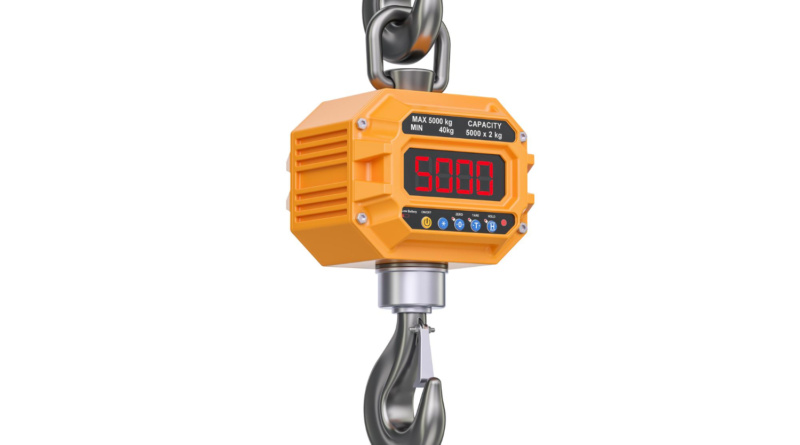
Mistakes to Avoid When Using a Small Crane Scale
Small crane scales support a variety of industries across the United States and worldwide by giving accurate weight readings from suspended loads. These devices make weighing, efficiency, safety, and operations more comfortable and compact. But using them incorrectly can produce errors and hazards. Knowing what pitfalls to watch out for can save time and money and ensure worker safety.
By being aware of these common mistakes, users can avoid expensive problems and keep their equipment working efficiently. Understanding the best practices for using a small crane scale helps ensure accurate measurements and safe operations. Here are the key mistakes to avoid. Each of these points addresses a specific area where users often go wrong.
Ignoring Load Capacity Limits
A common mistake is to overload the scales. Every device has a maximum weight it can safely support printed on it. Exceeding this limit may result in irreversible damage or dangerous accidents. Always make sure to read the load limit of the scale before lifting any object. Guesswork or estimations put both equipment and personnel in harm’s way. Taking a few extra seconds to verify the weight capacity can prevent costly repairs and potential injuries.
Neglecting Regular Calibration
Accuracy depends on routine calibration. Crane scales start drifting away from their initial settings over time due to frequent use or changes to the surrounding environments. Failing to calibrate a scale regularly causes inaccurate readings. Regular inspections with certified test weights ensure proper functionality. It is the responsibility of teams to track calibration dates and adhere to the manufacturer’s recommendations.
Skipping Pre-Use Inspections
Weighing scales and attachments should be checked before each operation. Safety and accuracy are compromised because of worn hooks, loose screws, and frayed cables. Ignoring these issues can lead to equipment failure while lifting. Always include a thorough visual inspection as part of any prep work. When there is any damage, parts can be replaced instantly to prevent further issues.
Incorrect Placement of the Load
It matters a lot how you place the item you want to weigh. Loading off-center or unevenly can cause erroneous readings. The load should hang freely from the hook of the scale without touching other objects. According to the Occupational Safety and Health Administration (OSHA), proper load handling is critical for workplace safety when using lifting equipment. Uniform distribution of weight prevents unnecessary stress on the scale. This habit assists in providing accurate results every time.
Misreading the Display
Digital crane scales can display in different units. At times, operators misread the numbers because they are not familiar with the unit selected. Confirm what the display shows before you take measurements. This method avoids misinterpreting the data that the scale shows. If any doubt arises about what the value displayed means, refer to the user manual of the scale.
Overlooking Environmental Factors
Various environmental conditions influence the operation of a scale. The electronics of the device can be affected by conditions such as very high humidity, extreme temperatures, or a dusty environment. Failure to account for these factors might cause the equipment to malfunction or lose accuracy. Maintaining a clean scale and proper storage will ensure a longer life for any scale.
Improper Handling and Storage
You can extend the life of your small crane scale just by handling it properly. If you accidentally drop or knock the device, it can cause internal parts to loosen up, and readings will be incorrect. The scale must be kept in a dry, safe place when not in use. Protective cases or covers provide shielding to avoid any damage or dust contamination to the sensitive parts.
Failing to Train Operators
Without proper training, personnel tend to make critical mistakes during scale operation. Training ensures that everyone knows how to use the scale safely and properly. This procedure includes reading the display, applying loads, and performing pre-use inspections. Refresher courses are essential to reinforce practices and keep skills sharp.
Disregarding Maintenance Schedules
Maintenance is not the same as calibration. Neglecting recommended services can lead to unforeseen breakdowns or safety issues. Maintenance involves checking on batteries, lubrication of parts, and electrical component checkups. Regular maintenance in accordance with the manufacturer’s recommendation avoids unexpected breakdowns and keeps the system running.
Conclusion
When used properly, a small crane scale can make a world of difference. Avoiding these common mistakes results in doing the lifting tasks safely and efficiently. Checking load limits, calibrating frequently, and inspecting equipment before use are important steps to remember. Environmental awareness, appropriate handling, and consistent training result in reliability over the long term. By following these guidelines, businesses can maximize the value of their equipment and ensure workplace safety.