
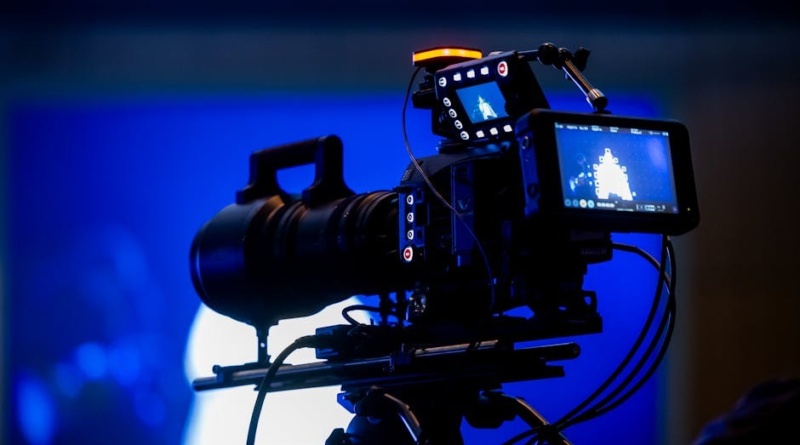
Why Does Professional Video Outperform Every Other Communication Format in 2026?
Text, infographics, and slide decks all communicate ideas. But video does something none of them can: it combines motion, voice, music, and visual storytelling into a format that the brain processes 60,000 times faster than text alone.
For businesses looking to stand out, partnering with a professional team like Blaze Video, San Francisco turns raw ideas into polished visual stories that connect with audiences on an emotional level. Whether the goal is event coverage, corporate branding, or product demonstration, video consistently outperforms static formats on every engagement metric.
Why Does Video Dominate Business Communication Now?
The numbers tell the story. According to Wyzowl’s annual survey, 91 percent of businesses used video as a marketing tool in 2024, and 87 percent reported a positive ROI. Video has moved from a “nice to have” to the primary communication channel for businesses of every size.
The shift happened because consumption habits changed. Audiences now expect video across every platform: social media, websites, email, and even internal corporate communications. A one-minute video conveys the same amount of information as approximately 1.8 million words of text, according to Forrester Research.
For businesses, this means video is not competing with other formats. It has become the default way audiences prefer to receive information. Companies that communicate primarily through text and static images are now the exception rather than the standard.
What Types of Business Video Deliver the Strongest Results?
Different video formats serve different business objectives. Here is how the main types perform.
- Brand story videos introduce your company’s mission, values, and people. They build emotional connection and work on homepages, about pages, and social profiles.
- Product demonstration videos show your offering in action. They reduce purchase hesitation by letting prospects see exactly what they are buying.
- Event coverage captures conferences, launches, and corporate gatherings. These videos extend the event’s reach far beyond the people who attended in person.
- Testimonial and case study videos let satisfied clients tell their story. Third-party endorsement carries more credibility than any claim a company makes about itself.
- Training and onboarding videos standardize employee education. They reduce training costs and ensure every team member receives the same quality instruction.
- Social media shorts (15 to 60 seconds) capture attention in scroll-heavy environments. These drive awareness and top-of-funnel engagement on platforms like Instagram, TikTok, and LinkedIn.
The most effective video strategy uses multiple formats across the customer journey rather than relying on a single type.
What Separates Professional Video From DIY Content?
Anyone can record a video on a smartphone. The difference between amateur and professional content shows up in three areas: audio quality, lighting consistency, and storytelling structure.
According to HubSpot research, poor audio is the number one reason viewers stop watching a video. Professional production uses dedicated microphones, controlled recording environments, and post-production audio mixing that make the speaker sound clear and authoritative regardless of the filming location.
Lighting determines how your brand looks on screen. Flat, uncontrolled lighting makes even expensive offices look dull. Professional lighting setups create depth, draw attention to the subject, and ensure consistent visual quality across every shot.
Storytelling structure is where the real value lies. A professional video team builds a narrative arc: a hook that captures attention in the first three seconds, a middle that delivers value, and an ending that drives action. DIY videos tend to meander because they lack this structural discipline.
How Should Businesses Plan a Video Production Project?
Planning determines whether a video project delivers results or becomes an expensive experiment.
- Define the objective first. Every video needs one clear goal: generate leads, explain a product, recruit talent, or build brand awareness. Trying to accomplish multiple goals in one video dilutes all of them.
- Know your audience. A video for C-suite decision-makers uses different language, pacing, and visuals than one targeting entry-level consumers.
- Write a script or outline. Even informal talking-head videos benefit from a clear structure. Winging it on camera rarely produces content worth publishing.
- Plan distribution before production. Where the video will live (website, social, email, trade show) determines aspect ratio, length, and tone.
- Budget for post-production. Editing, color correction, sound design, and graphics often take more time than the shoot itself. Allocate 60 percent of budget to post-production.

Photo by Andrea Piacquadio on Pexels
Alt text: A business team engaged in watching a video presentation during a meeting
The businesses that get the most value from video treat it as a strategic communication tool rather than a one-off project.
What ROI Can Businesses Expect From Video?
Video ROI varies by use case, but the patterns are consistent across industries. Landing pages with video convert 80 percent better than text-only pages. Email subject lines that include “video” increase open rates by 19 percent. Social posts with video generate 48 percent more engagement than image-only posts.
The compounding effect matters most. A single well-produced brand video can be repurposed into social clips, email thumbnails, trade show loops, and internal training materials. This multiplier effect means the cost-per-use drops dramatically over the video’s lifespan.
For businesses evaluating the investment, compare the cost of a professional video ($3,000 to $25,000 depending on complexity) against the cost of the leads, conversions, or training hours it replaces. Most businesses find that a single strong video pays for itself within the first quarter of deployment.
Video Strategy Essentials
- Video is the dominant communication format, used by 91 percent of businesses in their marketing.
- Professional production quality (audio, lighting, storytelling) separates effective content from forgettable content.
- Different video types serve different funnel stages: brand stories for awareness, demos for consideration, testimonials for conversion.
- Plan distribution before production to match format, length, and tone to the platform.
- Budget 60 percent for post-production where the real quality difference is made.
- Repurpose each video across multiple channels to maximize return per dollar spent.
The Screen Is Where Your Audience Lives
Business communication has moved permanently to video-first formats. The companies that invest in quality production and strategic distribution will own the attention of their audiences. The ones that do not will keep competing for the scraps of attention that text and static images leave behind.
FAQ
How much does a professional business video cost?
Costs range from $3,000 for a simple talking-head video to $25,000 or more for multi-day event coverage or cinematic brand films. Most small business videos fall in the $5,000 to $10,000 range.
How long should a business video be?
Social media videos perform best at 15 to 60 seconds. Website and email videos work well at one to two minutes. Detailed product demonstrations or training content can run five to ten minutes.
Can I use smartphone video for business purposes?
For informal social content, yes. For your website, brand positioning, or sales materials, professional production delivers measurably better engagement and conversion rates.
How quickly can a professional video be produced?
Simple projects take two to three weeks from planning to delivery. Complex productions with multiple locations, interviews, and extensive editing typically require four to eight weeks.