
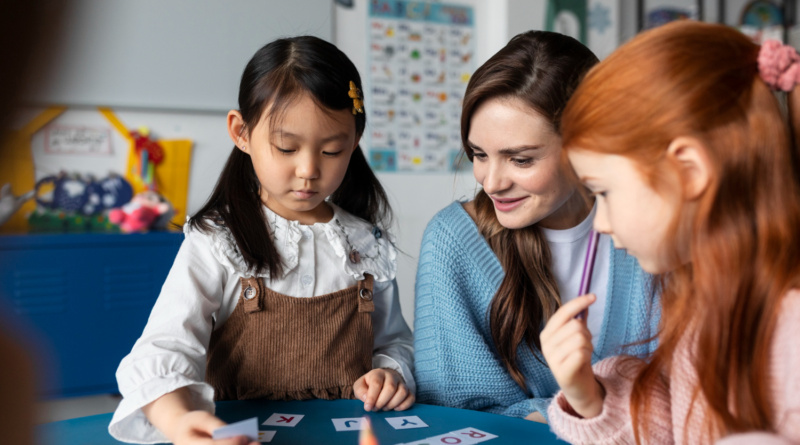
Social Emotional Learning in International Preschools in Singapore
Early childhood is a crucial stage of development, as it is a time when a child’s brain is highly receptive to learning and new experiences. During these formative years, children begin building the foundations that will support their learning and growth for years to come. While academic development often receives significant attention, it’s only one part of a child’s overall development. Equally important are the social and emotional skills that help children understand themselves, interact with others, and navigate the world around them with confidence.
This is one of the reasons why many Singapore families are drawn to international preschools for their children. Alongside academics, these schools often place significant emphasis on social-emotional development, helping children build self-esteem, develop empathy, and form positive relationships in diverse and supportive environments. As a result, enrolling a child in an international preschool in Singapore is often seen as a well-rounded way to support both academic growth and personal development from an early age.
To better understand how international preschools achieve this balance, let’s explore the aspects of their programs that contribute to children’s social and emotional development.
1. Play-Based Learning
Play is a central part of early childhood education and one of the most effective ways for young children to develop social and emotional skills. Through activities such as imaginative play, building games, and shared classroom experiences, children learn how to interact with others in meaningful ways. They begin to understand concepts such as sharing, taking turns, cooperation, and empathy, all of which contribute to stronger social development.
Moreover, play provides opportunities for children to explore and express their emotions in a safe environment. As they encounter challenges, make decisions, as well as navigate different situations during play, they gradually develop self-confidence and emotional resilience. These experiences help children become more comfortable communicating their feelings and responding constructively to everyday frustrations.
2. Collaborative Activities and Group Projects
International preschools often incorporate activities that encourage children to work together toward a shared goal. Whether building a structure with blocks or participating in a simple group science activity, children learn that cooperation and communication are important parts of the learning process. These experiences help them practice listening to others, expressing their ideas, and contributing to a team effort.
For example, a group art project may require children to share materials and decide together how to complete the activity. Through these interactions, children learn to respect different perspectives and understand the value of working alongside others. Over time, these skills contribute to stronger relationships and a greater sense of belonging within the classroom community.
3. Multicultural Learning Environments
Many international preschools bring together children from diverse cultural and family backgrounds. Daily interactions with peers who may have different traditions, experiences, or ways of communicating help children develop a broader understanding of the world around them. This exposure encourages curiosity and openness while helping children appreciate diversity from an early age.
Such environments also play an important role in nurturing empathy and respect. As children learn about different cultures through classroom activities and friendships, they begin to recognize and value individual differences. These experiences help foster inclusive attitudes and strengthen social awareness, both of which are important for building positive relationships throughout life.
4. Positive Teacher-Child Relationships
Teachers play a significant role in supporting children’s social and emotional development. In many international preschools, educators focus on creating warm and supportive environments where children feel safe, respected, and encouraged to participate. Knowing that trusted adults are available to guide and support them helps children develop a sense of security and confidence in the classroom.
Positive teacher-child relationships also provide valuable opportunities for emotional learning. By modeling kindness and respectful communication, teachers demonstrate healthy ways of interacting with others. Children often learn through observation, and consistent exposure to these positive behaviors helps them develop similar habits in their own relationships with peers.
5. Conflict Resolution and Problem-Solving Opportunities
Disagreements are a natural part of childhood, and international preschools often use these moments as opportunities for learning and growth. Rather than immediately solving every issue for children, teachers may guide them through age-appropriate discussions that encourage them to express their feelings, listen to others, and work toward a solution together.
For example, if two children want to use the same toy, a teacher might prompt them to discuss possible solutions, such as taking turns or finding another way to play together. Through experiences like these, children learn how to manage frustration and handle conflicts in a respectful manner. These skills can support healthier relationships both in school and beyond.
6. Routines That Foster Independence and Responsibility
Daily routines provide children with opportunities to develop independence and a sense of responsibility. In international preschools, children are often encouraged to take part in simple tasks such as putting away materials, organizing their belongings, or preparing for activities. These responsibilities help children understand that they can contribute positively to their learning environment.
Age-appropriate responsibilities also help strengthen self-confidence and decision-making skills. For instance, children may be given choices about which activity to participate in during free play or be assigned simple classroom helper roles. Successfully completing these tasks gives them a sense of accomplishment and fosters ownership of their actions. Over time, this can help children become more self-reliant and better equipped to navigate new situations with confidence.
Raising Confident and Compassionate Learners
While academic learning is important, a child’s social and emotional development shouldn’t lag behind. By creating opportunities for children to build relationships, develop resilience, and understand their emotions, international preschools help lay the foundation for lifelong personal growth and well-being. Ultimately, this balanced approach enables children to grow not only as learners but also as confident, socially aware individuals capable of navigating relationships with others.