
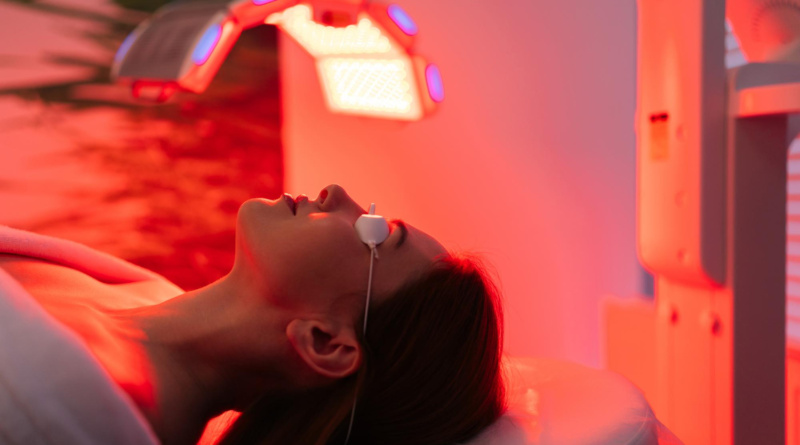
How Red Light Therapy Supports Energy, Focus and Recovery for Desk-Based Professionals
Most discussions around workplace performance focus on communication habits, workflow systems and digital tools. But one of the most overlooked factors in sustained professional performance is physical — specifically, how well your body is recovering from the cumulative demands of sedentary, screen-intensive work.
Extended periods of sitting, artificial lighting exposure and sustained cognitive output all carry a physiological cost. Over time, this manifests as fatigue, difficulty concentrating, disrupted sleep and the kind of low-grade physical tension that makes it harder to think clearly and communicate effectively. Red light therapy is gaining attention among desk-based professionals as a practical tool for addressing some of these issues at the cellular level.
What It Is and How It Works
Red light therapy involves exposure to specific wavelengths of red and near-infrared light, typically between 630 and 850 nanometres. These wavelengths penetrate the skin and are absorbed by the mitochondria — the energy-producing structures inside cells. The result is increased production of adenosine triphosphate (ATP), the molecule that powers cellular function and repair.
Unlike UV light, red and near-infrared wavelengths carry no risk of skin damage. Sessions are typically 10 to 20 minutes, require no preparation and can be done at home before or after the workday.
Energy and Mental Clarity
One of the most commonly reported benefits among regular users is improved energy levels and clearer thinking. The connection here is mitochondrial: when cells produce energy more efficiently, the downstream effects are felt across multiple systems, including neurological function. Some research has also pointed to red light therapy’s potential to reduce oxidative stress in brain tissue, which is associated with mental fatigue after prolonged cognitive effort.
For professionals who spend long hours writing, presenting or problem-solving, this positions red light therapy as a complement to the communication and productivity habits that already drive performance.
Posture, Muscle Tension and Physical Recovery
Desk work creates a predictable set of physical problems: tightened hip flexors, compressed spinal discs, chronically tensed shoulders and neck. Red light therapy supports recovery from this kind of accumulated tension by improving local circulation and reducing inflammatory markers in soft tissue. This is the same mechanism used by athletes for muscle recovery, applied to the slower, more chronic physical strain of sedentary work.
Sleep Quality
Professional performance is heavily dependent on sleep, and sleep is one area where many high-achieving professionals consistently underinvest. Red light therapy has been shown to support natural circadian rhythm regulation. Because red wavelengths do not suppress melatonin production the way blue-spectrum light from screens does, incorporating a red light session into an evening wind-down routine can help signal to the body that it is time to shift toward rest.
Getting Started
The barrier to entry for red light therapy has dropped significantly in recent years. A range of red light therapy devices is now available for home use at a fraction of the cost of clinic sessions, making it practical to build regular sessions into a morning or evening routine without disrupting the workday. Sessions require no downtime and no specialist knowledge, just consistent use over several weeks to see meaningful results.
For professionals focused on sustained performance, clear thinking and resilient health, it sits comfortably alongside the other practical tools worth building into daily life.