
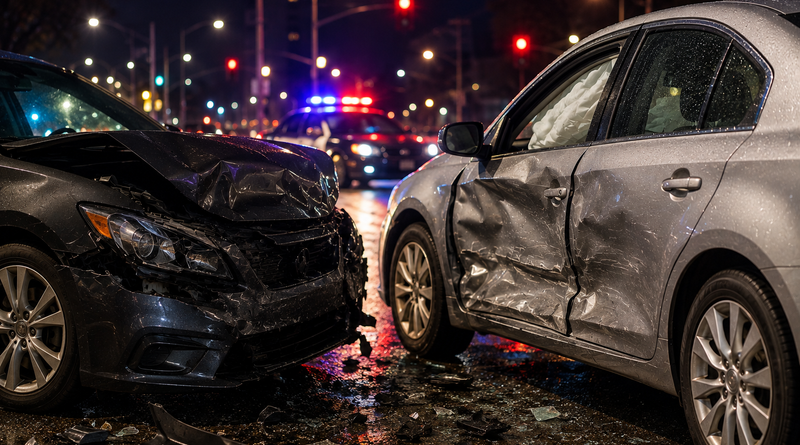
When a Drunk Driver Turns an Atlanta Crash Into a Serious Injury Claim
A collision caused by an impaired driver can leave far more behind than damaged vehicles. Victims may face emergency treatment, ongoing medical care, missed work, emotional distress, and uncertainty about how the insurance claim will be handled. The situation can become even more difficult when the driver responsible for the crash disputes fault or an insurance company questions the seriousness of the injuries. In Atlanta, these cases often require careful attention to the circumstances surrounding the collision, the available evidence, and the full financial impact on the injured person. A strong injury claim starts with understanding what actually caused the crash and preserving evidence before it disappears. Police records, witness accounts, vehicle data, medical documentation, photographs, video footage, and alcohol-related evidence can all help establish how the collision occurred. A civil injury claim is also separate from the criminal case against an impaired driver, so the outcome of criminal proceedings does not necessarily determine whether an injured person can seek compensation.
Drunk Driving Crashes Require More Than a Standard Accident Investigation
An ordinary traffic collision may center on questions such as who had the right of way or who failed to maintain control. A crash involving an impaired driver can involve another layer of evidence. Investigators may need to determine the driver’s condition, when impairment was detected, what happened before the impact, and whether the driver’s conduct contributed directly to the injuries. The timing of evidence can matter. Alcohol testing, police observations, field investigation records, eyewitness accounts, surveillance footage, and crash-scene documentation may provide pieces of the same story.
Vehicle damage and accident reconstruction can also help explain speed, direction, point of impact, and the sequence of events. The important distinction is that a DUI arrest alone does not automatically establish every element of a civil injury claim. The injured party still needs evidence connecting the driver’s conduct to the collision and resulting losses. That is why a thorough investigation can be more valuable than simply relying on the police report.
Evidence Can Shape the Strength of an Injury Claim
Evidence is often what separates a well-supported claim from a dispute over what happened. Insurance carriers may examine the same accident from a financial perspective, looking for reasons to reduce the amount they pay.
Useful evidence may include:
- Police crash reports and citations.
- Breath or blood testing records when legally available.
- Photographs and videos from the accident scene.
- Statements from passengers and independent witnesses.
- Traffic-camera, business-surveillance, or dashcam footage.
- Medical records connecting injuries to the collision.
- Employment records showing lost income.
- Vehicle inspection and accident-reconstruction evidence.
Early evidence preservation is particularly important when cameras overwrite recordings or witnesses become difficult to locate. Bayuk Pratt’s Atlanta car accident practice describes using police reports, scene photographs, eyewitness statements, dashcam footage, traffic-camera footage, vehicle computer data, alcohol-test results, GPS information, and other records when investigating motor-vehicle claims.
How Georgia Fault Rules Can Affect Your Recovery
Georgia follows a modified comparative fault approach for personal injury claims. Under O.C.G.A. § 51-12-33, a person’s recovery can be reduced according to their percentage of fault, and a claimant who is 50% or more responsible generally cannot recover damages from another at-fault party. That issue can become important even when the other driver was allegedly impaired. An insurer may argue that the injured driver was speeding, distracted, failed to yield, or otherwise contributed to the crash. The strength of the evidence becomes important because fault is not simply determined by which driver was arrested.
For example, imagine a collision where the impaired driver clearly caused the initial impact, but the insurer later claims the injured motorist was traveling too fast. The final outcome could depend on photographs, vehicle data, witness testimony, roadway conditions, reconstruction evidence, and other facts showing what actually happened.
Compensation Can Extend Beyond the Initial Medical Bills
A serious crash can create financial consequences that continue long after the vehicles are repaired. A complete injury claim should account for losses supported by the available evidence rather than focusing only on the first hospital bill.
Potential categories can include:
| Potential Loss | Examples |
| Medical expenses | Emergency care, diagnostic testing, medication, surgery, therapy, rehabilitation |
| Lost income | Missed work, reduced earnings, or diminished earning capacity |
| Future medical needs | Ongoing treatment, rehabilitation, or reasonably anticipated care |
| Property damage | Vehicle repairs or other accident-related property losses |
| Pain and suffering | Physical discomfort and the effect of injuries on daily activities |
| Wrongful death losses | Damages that may arise when a fatal crash takes a loved one |
The value of a claim depends on its facts, documentation, liability issues, insurance coverage, and applicable Georgia law. It is risky to estimate a case simply by comparing it with another accident because apparently similar collisions can produce very different injuries and financial consequences.
Why the Insurance Company May Challenge Your Claim
Insurance adjusters do not necessarily view a claim the same way an injured person does. Their evaluation may focus on liability, medical documentation, policy limits, causation, and the amount of damages that can be supported. Common disputes can involve whether an injury was caused by the collision, whether treatment was necessary, whether a pre-existing condition contributed to symptoms, or whether the claimant shares some responsibility for the accident. A careful legal review can help organize the evidence and identify gaps before important decisions are made.
Bayuk Pratt notes that insurance companies may deny claims, offer low settlements, or attempt to limit financial responsibility, while its attorneys investigate accident evidence and assess ongoing and future losses. When these disputes arise, an Atlanta Drunk Driving Accident Attorney can review the available evidence, assess liability, and help determine whether the insurer’s position accurately reflects the circumstances of the crash and the losses suffered by the injured person.
What an Atlanta Injury Attorney Can Investigate
A drunk driving injury claim may require more than exchanging insurance information and submitting medical bills. An attorney may examine the collision from several angles to determine who may be legally responsible and what evidence supports the claim.
Important areas can include:
- The driver’s conduct before and during the collision.
- Police reports, citations, and available testing records.
- Witness statements and surveillance footage.
- Accident reconstruction and vehicle damage.
- Medical treatment and the connection between injuries and the crash.
- Lost income and future financial consequences.
- Available automobile insurance coverage.
- Potential claims involving other legally responsible parties.
Georgia law also recognizes specific circumstances involving alcohol service under its dram shop statute, O.C.G.A. § 51-1-40. These claims are fact-specific and can require evidence concerning the circumstances under which alcohol was provided.
Protecting the Value of Your Claim After an Atlanta Collision
The first priority after any serious crash is obtaining appropriate medical attention and reaching a safe location. Once immediate safety concerns have been addressed, documentation becomes increasingly important. Avoid making assumptions about the value of your claim based only on visible vehicle damage. Some injuries develop symptoms later, and the financial impact of an injury may not be obvious during the first few days.
Keep medical records, receipts, wage documentation, correspondence with insurers, and other accident-related records organized. It is also wise to be careful when discussing the collision with an insurance representative. A casual statement about how you feel or what you remember can sometimes be taken out of context. Giving accurate information is important, but major settlement decisions deserve careful consideration.
Choosing the Right Atlanta Drunk Driving Accident Attorney
The right attorney should be able to investigate the crash, understand Georgia personal injury law, evaluate evidence, and deal effectively with insurance disputes. Experience with serious motor-vehicle claims can also matter when injuries involve long-term treatment, substantial lost income, or permanent changes to a person’s daily life. For Atlanta accident victims, local familiarity can be useful because investigations may involve Atlanta Police Department records, nearby businesses with surveillance systems, roadway conditions, witnesses, medical providers, and courts throughout the metropolitan area.
Bayuk Pratt states that its attorneys have more than 50 years of combined legal experience and have recovered more than $2 billion for clients across personal injury and related matters. The firm’s founding partners also previously worked as senior partners at major defense firms, giving them experience with how large insurers and defense teams approach high-value claims. Past results do not guarantee a particular outcome. The relevant question is how an attorney will evaluate the evidence and build the individual claim.
Conclusion
A collision caused by an impaired driver can affect nearly every part of a victim’s life, from physical recovery and employment to family responsibilities and financial stability. The strongest claims are built around evidence, documented losses, clear causation, and a realistic assessment of Georgia law. If an Atlanta crash has left you injured, understanding your legal options early can help protect important evidence and prevent avoidable mistakes. A qualified personal injury attorney can review the circumstances, identify potentially responsible parties, assess available insurance coverage, and explain the next steps based on the facts of the case.