
Why Convert a PDF to Excel? Common Use Cases Explained
PDF files preserve information in a stable format, yet that stability can hinder practical work. Tables, invoices, statements, and reports become difficult to sort, calculate, or compare. Excel places extracted details into editable cells, allowing formulas, filters, charts, and organized records. Accountants, researchers, students, and business teams can reduce manual entry while improving review quality. Results depend on source clarity, table structure, privacy requirements, and the task that follows conversion.
Make Data Editable
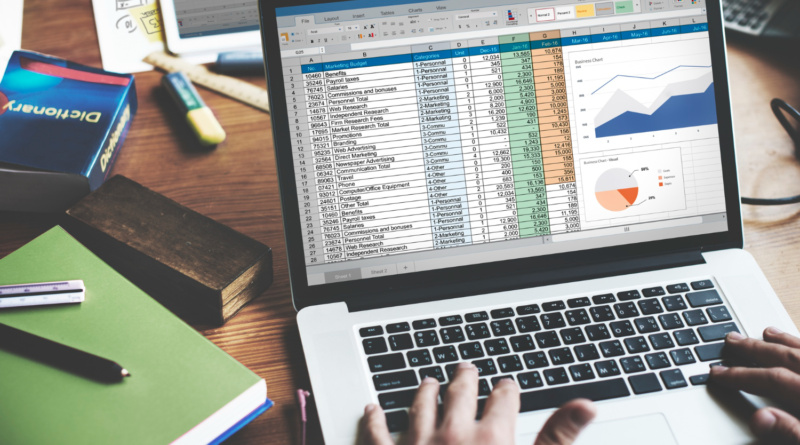
When a fixed file contains rows, columns, or repeated fields, a convert a PDF to Excel process can place those details into editable cells. Analysts can correct entries, apply calculations, sort records, and add notes. This approach reduces repetitive typing and creates a practical starting point for later review, especially when the source uses clear tables.
Analyze Financial Statements
Bank statements commonly list transaction dates, descriptions, withdrawals, deposits, and running balances. A spreadsheet makes those fields easier to examine across multiple periods. Account holders can filter purchases, group spending categories, and calculate monthly totals. Finance departments can compare entries with ledgers or receipts. Clear, text-based files usually produce more reliable results than blurred scans.
Organize Business Records
Businesses receive invoices, purchase orders, inventory sheets, and sales reports in many formats. Staff may need spreadsheet records for purchasing, stock control, or monthly reporting. Conversion creates editable fields for supplier names, item codes, quantities, prices, and tax amounts. You can then combine several files, check for missing values, and prepare them without retyping every line.
Support Research Projects
Researchers often gather tables from surveys, reports, public records, and academic publications. Excel places those figures in a single working file for sorting and examination. Filters can group results by location, date, category, or sample type. Formulas calculate averages and percentages, while charts show changes more clearly. Manual checking remains necessary when unusual layouts affect column placement.
Simplify Invoice Processing
Invoices contain structured information that accounting staff must frequently enter into financial systems. Typical fields include invoice numbers, service dates, descriptions, quantities, rates, and totals. Spreadsheet conversion can produce a preliminary register for review. Finance personnel can identify duplicate references, compare charges, and flag unusual amounts. Consistent page layouts usually deliver cleaner results than mixed designs.
Prepare Data for Reporting
Reports often combine figures taken from several PDF files. Manual collection raises the risk of skipped rows, misplaced decimals, and typing mistakes. Excel gives analysts a single place to correct and calculate. Analysts can standardize dates, rename headings, remove blank cells, and create summary tables. The finished workbook may support budgets, forecasts, presentations, compliance reviews, or management meetings.
Improve Collaboration
Fixed documents work well for reading, but shared editing becomes less efficient. An Excel file allows authorized colleagues to update assigned fields, add notes, and review changes. Filters help each person focus on relevant records instead of scanning every page. A workbook can also move into Google Sheets for browser-based teamwork, provided access permissions match the sensitivity of its contents.
Handle Scanned Documents Carefully
Scanned PDFs need text recognition before their contents can become useful spreadsheet cells. Accuracy depends on image sharpness, page alignment, character clarity, and spacing between table elements. Clean scans generally produce stronger output than photographs taken at an angle. After processing, reviewers should compare totals, headings, symbols, and dates against the source page. Confidential records require restricted access and secure storage.
Preserve Useful Structure
PDF layouts may include merged cells, side-by-side columns, footnotes, logos, and decorative elements. Those features can change how information appears after processing. A straightforward table usually transfers more accurately than a brochure containing images and scattered text. Reviewers should inspect column order, negative values, decimal points, date formats, and subtotal positions. Small corrections often restore a dependable working sheet.
Choose an Online Method
Browser-based conversion avoids desktop installation and suits occasional spreadsheet tasks. Users select a file, submit it, download the result, and inspect its contents. This option works across common browsers on Windows and Mac computers. Some services limit daily tasks, while larger workloads may require a paid plan. Review privacy terms carefully before submitting confidential material.
Conclusion
Converting a PDF to Excel helps whenever fixed information requires sorting, calculation, comparison, or continued editing. Bank statements, invoices, research tables, inventory records, and business reports can all benefit from spreadsheet structure. Clear source pages tend to produce better results, while scanned documents need closer inspection. Users should verify important figures, protect sensitive material, and correct formatting before relying on extracted data. A careful review turns static records into useful working information.