
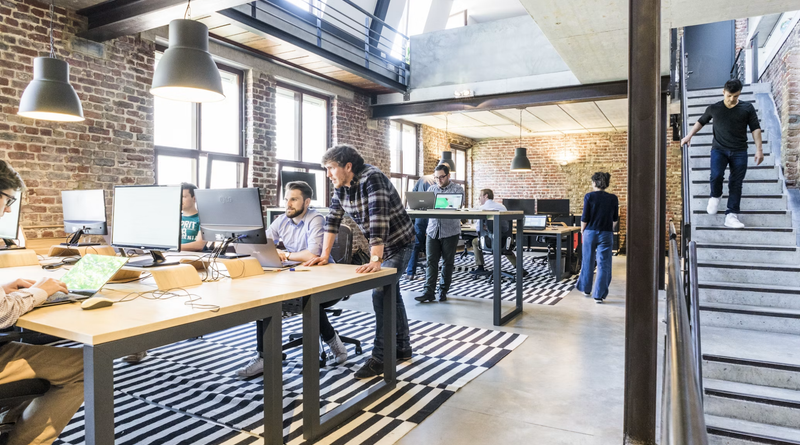
Designing a Productive Office Space With Visual Impact
Your office design isn’t just about filling a space; it actually shapes the vibe and productivity of everyone working there. A workplace that’s been thought through can really boost spirits, encourage collaboration, and showcase what your company stands for. It’s a powerful way to communicate your values without saying a word.
When you move past just picking functional stuff and really embrace intentional design, you create an environment that not only looks great but also helps your team do their very best work.
Understanding Office Psychology
Office psychology examines how everything around you, from lighting to layout, affects how employees behave, how happy they are, and how well they perform. A messy, dimly lit space can lead to stress and make it hard to focus. But an environment with natural light, comfy furniture, and even some plants can really lift moods and help people concentrate.
A space with designated quiet zones signals to employees that deep, focused work is important. An open, welcoming common area signals that you want people to connect and interact. Even small things, like how good the chairs are or if there’s natural light, send a message about how much the company cares about its employees’ well-being. This underlying psychology is the bedrock of any great office design.
Colors and Mood in the Workplace
Color is one of those design elements that hits you immediately and makes a big difference. It’s a key way to use color psychology to create a more effective workspace. Different colors bring out different feelings, and you can use them smartly to support the kind of work happening in a particular spot.
- Blues and Greens: These cool colors are famous for being calming. Blue can help with focus and getting things done, making it perfect for areas where people need to really concentrate. Green reduces eye strain and brings a sense of balance, which is great for general work areas.
- Yellows and Oranges: Warm, energetic colors like yellow and orange can spark creativity and optimism. They work wonderfully in collaborative spaces, brainstorming rooms, and kitchens where you want to encourage chatting and good vibes.
- Neutrals (Gray, White, Beige): These give you a clean, modern backdrop that lets other things pop. While too much can feel a bit sterile, they’re excellent for making a space feel bigger and clearer. You can create a conducive work environment by pairing neutrals with bright accent colors.
Layouts That Inspire Collaboration
An open-plan layout can foster a sense of community and encourage spontaneous chats, but it can also be distracting for those who need quiet. On the flip side, a traditional cubicle setup offers privacy but might make people feel isolated and discourage teamwork. For example, businesses exploring flexible coworking in Chicago may find that adaptable work environments offer a balance between private work areas and shared spaces, allowing employees to choose a setting that best suits their tasks and working styles. Most effective modern offices often mix things up. This might include:
- Neighborhoods: Grouping teams in specific open areas to help with workplace collaboration.
- Breakout Spaces: Casual seating areas with whiteboards and comfy furniture for quick meetings and brainstorming.
- Quiet Zones: Think phone booth-style pods or library-like rooms where employees can escape distractions for focused work.
Expert office installation services can make sure furniture and fixtures are placed just right to maximize flow and function, bringing your collaborative vision to life without the headache of logistics.
Optimizing Your Space for Success
Good lighting is also super important; get as much natural light in as possible and add layers of artificial lighting. Make sure there’s task lighting at individual workstations and use warmer, softer light in common areas to make them feel welcoming.
Ergonomics is another big one. Chairs that support good posture, desks at the right height, and monitors positioned at eye level can help prevent physical strain and keep employees comfy and focused. Finally, don’t underestimate how powerful organization is. Providing ample storage and encouraging a clean-desk policy reduce visual clutter, which in turn reduces mental clutter and helps everyone stay on task.
Integrating Brand Identity Visually
Your office is like a 3D version of your brand. It’s a chance to really immerse your employees and visitors in your company’s culture and values. This goes way beyond just sticking your logo on a wall.
Use your brand’s color palette strategically throughout the space, not just with paint but also in furniture, artwork, and accessories. Display your mission statement or company values in a nicely designed graphic in a busy area. The materials you pick, like wood for a natural, grounded feel or metal and glass for a sleek, modern vibe, also tell a story about your brand’s personality. When your physical space aligns with your brand identity, it really strengthens your team’s sense of purpose and belonging.