
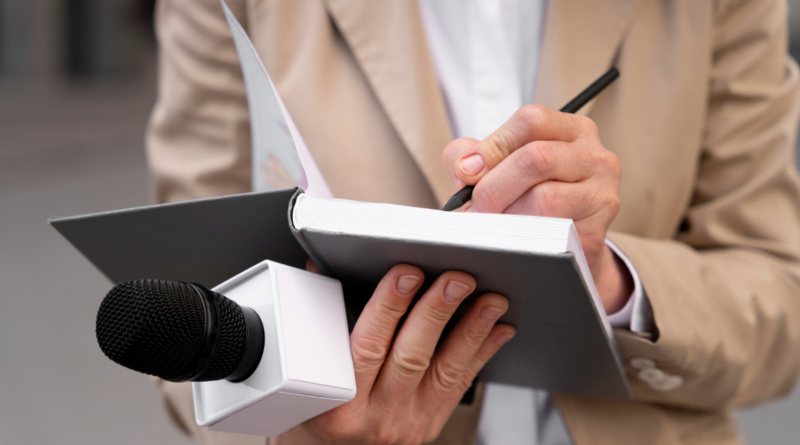
How to Write a Press Release Journalists Can Use
A journalist may decide quickly whether your release is usable. If the news isn’t clear at the top, the rest probably won’t get read.
Put the news first because journalists skim
Think of your reader as tired and on deadline. Picture an inbox late in the day, when there are still two stories to file. Your release is one of many in that queue, and it has to earn a second look.
That is why the first paragraph has to carry the news peg, the timely reason the story matters now. Don’t open with company history or mission language. Start with what changed.
A strong lead names who acted and what happened. It adds enough context to show why readers should care this week rather than last month or next quarter. If a journalist can’t find that fact in 30 seconds, they’ll move on.
There’s no second chance in a crowded inbox. The format remains useful when it gives journalists verified facts in a form they can scan, quote, and check. Your release will be compared with many other pitches, so make every paragraph earn its place.
Write a headline an editor won’t delete
Editors triage by headline. If yours reads like an ad, it gets skipped. State the news in plain words and leave the adjectives out.
Compare two common approaches. One headline says a company launched an update. The other claims a revolutionary breakthrough that will change the world. The first gets opened, while the second gets filtered.
Subject lines can fail for the same reason. Keep yours under 10 words if you can, and put the news at the front so it shows on a phone screen. Don’t use all caps or exclamation points.
AP style helps here. Write dates and numbers the way a newsroom writes them. That small bit of care signals that you understand how copy gets filed. It won’t secure coverage on its own, but it will keep you from looking like an amateur.
Plain beats clever every time.
Structure the body so it can be cut
The inverted pyramid is still the safest model. Put the most critical facts in the first three paragraphs, then add context and background. A journalist can cut from the bottom without losing the story.
Aim for a release that explains the news without repeating it. The right length depends on the announcement, but a busy editor should be able to scan it quickly and reduce it to a few paragraphs without rebuilding the story.
Keep paragraphs to two sentences at most. Use simple words. If your team would not say it in a meeting, don’t put it in the release. Cut every line that does not help a journalist write the story.
Don’t bury the how or the cost. If there is a launch date and a price, state them early. Journalists should not have to hunt for basic facts, and readers won’t wait for them either. Use plain terms.
Check every draft for jargon before it goes out. Words like synergy and ecosystem don’t help a journalist explain the story to readers. Names and numbers do. Be specific about what is new, and be honest about what is not.
Give journalists quotes and proof they can use
Write quotes that sound like a person
Most quotes get cut because they say nothing. We’re thrilled to announce gives a journalist no useful information. A usable quote explains why the decision was made and what changes for readers. It also has a name and title attached.
Get the wording approved before you send. Don’t invent phrasing your spokesperson would never use. Keep it to two sentences. If it runs longer, split the idea and let the facts carry the rest.
Add data and assets that save time
Original data gives a journalist a reason to choose your story over a similar one. A short survey or internal counts can anchor a piece. You don’t need a large study. You need one fresh number with the method and date attached.
Explain where the number came from in one line. State the sample size and time frame, and don’t round in a way that misleads. A journalist will check the math before quoting it.
Pair the text with files a desk can use immediately. Include headshots and product photos with captions and credit lines. Add a link to b-roll or a short clip if you have it. Label everything clearly so night editors don’t have to guess.
That packet can save a follow-up call and make the story easier to assess and publish.
Send it to the right desks, not every desk
Press release distribution works best when it is focused. Broad blasts train newsrooms to ignore you. Distribution services such as Press Moose can publish an approved announcement across a network of news sites. Direct pitching is the separate step that helps you reach journalists who cover your beat.
Beat targeting means matching the story to the desk that handles it. A hiring announcement goes to business writers. A clinical result goes to health writers. Don’t send both to the same list and hope.
Wire services still have a place for public announcements and broad distribution. Direct pitching serves a different purpose: it lets you approach a smaller, vetted list with an angle tailored to each outlet. Maintain lists by topic and outlet, then update them as people change roles.
Journalist inbox competition is real. Your release competes with many others for a slot. Personalize the subject line with the outlet name only if you are sure it fits. Otherwise, let clear news do the work.
Don’t attach huge files that clog an inbox on deadline day. Include a link to a folder where photos and background documents live, so a journalist working on a phone can still get what is needed without a second email.
Keep notes on who opened the email and who replied. If a journalist asks to be removed, remove them at once. A clean list beats a long one. Trust grows with each relevant send.
Finish with details that prevent a follow-up call
End with a boilerplate a journalist can lift. State what the company does in two sentences, adding its size and location if those facts help. Keep it factual and ready to copy.
Add a media contact block with a real name. List a direct phone number and email address, then test both before you send. A generic info address tells a journalist that no one will reply in time.
Verify every detail twice. Check the spelling of names and titles. Open each link, and confirm that dates line up across the headline and body. One error can cost trust you won’t easily win back.
Short does not mean thin. Cut filler but keep proof such as how many customers were surveyed or when the trial ran, because those specifics let a journalist write with confidence without chasing you for basic details.
Keep the boilerplate short. Four lines is plenty. If readers need more, point them to one page on your site. Don’t paste a full company history into the release because journalists won’t use it and editors will cut it.
Include one link to a press folder rather than five attachments. Name files with the company and date so they sort well. A journalist on deadline will appreciate that order.
Respect embargos and follow up once
Use an embargo only when timing genuinely matters. A launch date or joint announcement can justify it. Don’t put an embargo on old news to make it feel fresh. Journalists see through that quickly.
If you offer an embargo, honor it yourself. Don’t publish the post early or share the news on social media before the agreed time. Once trust breaks over timing, it is hard to rebuild.
After you send, wait and give the desk time to read. One polite check-in is enough.
Don’t call repeatedly or ask whether they got your email. Restate the news peg in one line and offer help. Say that you have a spokesperson available at a set time and can share photos immediately. Then step back.
Keep follow-ups short because the job is to help rather than push. A brief note that respects a deadline does more for future pickups than three calls interrupting a journalist who is trying to file.
Thank a journalist who covers the story. Share the piece with your team and keep the link on file. Don’t rewrite the journalist’s headline when you repost it. That small sign of respect makes the next pitch easier to open.
Edit for the newsroom, not the boardroom
Many releases fail during internal review. Teams add phrases to please stakeholders, and each addition makes the news harder to find. Edit with a journalist in mind rather than a committee.
Read the draft once for news and once for proof. The first pass tells you whether the lead states the news peg in clear terms, while the second catches names and links that must be correct before the release goes out.
Print it or view it on a phone. Headlines that wrap badly get missed, and long paragraphs look heavy on mobile. If you can skim it in 30 seconds and understand the news, a journalist will be able to do the same.
Cut words like innovative and leading during this pass because they add no proof. Replace them with specifics. Say what the product does and who uses it now, then let the facts speak.
Ask one person outside the team to read it cold. If they can repeat the news back in one line, you are ready to send.
A usable release saves a journalist time. It states the news quickly, supports it with quotes and numbers and ends with contact details that work. Do that consistently and journalists will open your next send. That trust is worth more than one pickup.