
How Everyday Habits Quietly Shape Chronic Pain
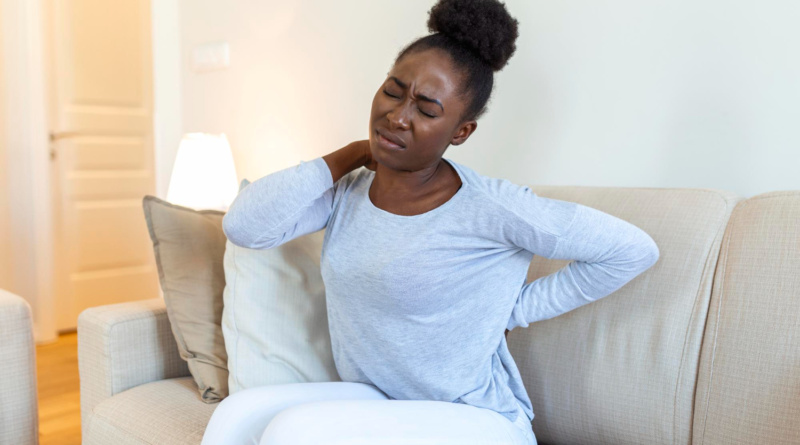
Roughly one in five American adults lives with ongoing pain, and most of them have tried at least three fixes that did not stick. I spent years assuming my back pain was random, something that just showed up on bad days. It was not random. It followed a pattern I could not see because I was living inside it. That pattern is the whole point of this piece. Chronic pain rarely comes from one dramatic moment. It builds from small, repeatable choices about how you sit, how you sleep, how you move, and how much stress you carry. Understand those levers and you stop guessing. You also stop wasting money on gadgets that promise relief and deliver a slightly lighter wallet.
Here is the honest version: everyday habits can reduce how often pain flares, and they cannot cure a structural problem that needs a specialist. Knowing which is which is where most people get stuck, and it is why a real conversation about Pain Management should start earlier, not after years of trial and error.
Why Your Body Keeps Score of Small Habits
Your spine and joints respond to load. Sit hunched for six hours a day and your lower back adapts to that shape. Sleep on a mattress that sags in the middle and your neck spends eight hours in a position it was never built for. Your body is a record keeper, and it does not forget these entries. The tricky part is the delay. A bad sleeping position in March might show up as a stiff neck in June. That gap is why so many people blame the wrong thing, or assume nothing they do matters at all.
I have a personal rule I call the Three-Day Rule. When pain flares, I look back three days, not three hours. What changed in my sleep, my sitting, my stress, my movement? Nine times out of ten, something in that window explains it. That one habit change did more for my understanding of my own pain than any app I have downloaded.
What you are really hunting for is a pattern, not a culprit. Patterns compound. Culprits just hurt once.
The Daily Levers You Can Actually Pull
Most advice about pain is either too vague to act on or too medical to follow. So here are the levers I would pull first, in the order I would pull them.
- Break up long sitting. Stand and walk for two minutes every hour. Not a workout. Just a reset.
- Fix your sleep surface. A mattress older than a decade rarely supports your spine well, and you spend a third of your life on it.
- Walk daily. Twenty to thirty minutes of easy walking keeps joints and muscles from locking into one shape.
- Protect your stress baseline. Tension tightens everything. Ten minutes of slow breathing or stretching is not a luxury, it is maintenance.
- Lift with your legs and your plan. Think about the box before you bend. Setup beats strength.
None of this is glamorous, and none of it sells well. That is exactly why it works better than most of what gets advertised to people in pain.
When Habit Changes Are Not Enough
This is the line most articles skip, and it is the one that matters most. Habits help you manage load. They do not repair a herniated disc, a pinched nerve, or joint damage that has progressed for years. According to the National Library of Medicine, chronic pain is one of the most common reasons adults seek medical care in the United States, and the causes range widely from muscle strain to nerve compression. That range is the whole problem. Two people can describe identical pain and need completely different answers.
So here is my blunt take. If you have been doing the right daily things for six to eight weeks and you are not improving, stop adjusting your mattress and go get an actual diagnosis. Stubbornness is not a treatment plan.
Signs It Is Time to See a Specialist
Reach out to a professional if any of these sound familiar:
- Pain that wakes you at night or stops you sleeping through
- Numbness, tingling, or weakness in an arm or leg
- Pain that has held steady or worsened for more than six weeks
- Pain that travels, changes location, or moves down a limb
- Any loss of strength, balance, or coordination
The weakness and numbness items are the ones people brush off longest, and they are often the most informative. Nerves do not exaggerate.
What Good Treatment Looks Like Now
Modern care has moved away from the old assumption that every spine problem leads to a big open surgery. The National Institutes of Health has documented a broad shift toward less invasive approaches across medicine, and spine care has followed, with targeted procedures that address the source of pain instead of masking it.
That shift matters for you because it changes the questions worth asking. Instead of “do I need surgery,” ask what is actually generating the pain and what the least invasive option is that addresses it. A good clinician will walk you through recovery timelines, what happens if you wait, and what results they typically see.
You should also ask what the alternatives are and why they are or are not a fit for your case. If nobody can explain that to you in plain language, keep looking.
Prevention Beats Reaction, Every Time
According to the Centers for Disease Control and Prevention, regular physical activity is one of the most effective things adults can do for long-term health, which includes how well your joints and back hold up over decades. The people I know who stay pain-free into their sixties are not lucky. They are consistent.
Prevention looks boring. A walk after dinner. A chair that supports your lower back. Not carrying a laptop bag on one shoulder for twenty years. Boring, and yet it is the difference between managing pain and preventing it from becoming your daily reality.
The Bottom Line
Your habits set the baseline, and specialists handle what habits cannot fix. You now have a way to look for patterns, a short list of levers to pull, and a clear sense of when to stop self-treating and get an answer. That combination is worth more than any single remedy. So here is your move this week: pick one lever, run it for seven days, and write down what changes. If nothing does after a fair trial, that is your signal to get a professional opinion instead of another gadget. What is the one habit you are ready to test first?