

How Can You Choose the Right Wheelchair for Sale for Comfort and Mobility?
When you require a comfortable wheelchair and, at the same time, dependable mobility, it might be difficult to find the right one. A comfortable chair might become a hassle to use on long days, and a chair that is easy to carry might not support you as you need. The wrong size or design can also make everyday activities harder for you and your caregiver.
It is important to look past the look and cost. Your daily schedule, physical requirements, and sitting posture and environment all influence the kind of wheelchair that may best suit you. A comparison of these factors helps you narrow down the choices and identify a wheelchair that assists you in maintaining your independence without losing comfort.
The following are six practical considerations to use when choosing a wheelchair.
1. Assess Your Daily Mobility Needs
Before exploring a wheelchair for sale, consider how you plan to use it. Your daily routine will help determine which features matter most. For example, someone who needs support around the house may have different requirements from someone who travels frequently or spends several hours outdoors.
Also, decide whether you will propel the wheelchair yourself or rely on a caregiver. Self-propelled models need suitable wheels, a manageable frame, and a design that supports independent movement. In contrast, a transport wheelchair is designed for someone else to push.
Consider how often you will use the chair, how far you will travel, and whether you need it for temporary recovery or long-term mobility. These details will help you focus on suitable options rather than paying for features you rarely need.
2. Choose the Right Wheelchair Type

Various types of wheelchairs have different purposes. Choosing the appropriate type can assist you in balancing mobility, support, and convenience.
- Standard Wheelchairs: They are applicable in home or care settings for general mobility requirements. They provide durable construction for day-to-day use.
- Lightweight Wheelchairs: These are lighter in weight and can be easily lifted, pushed, and loaded into the vehicle. They are good to use during common outings and transport.
- Transport Wheelchairs: They have smaller rear wheels and need a caregiver to push them. Their folding frames organize storage and travel conveniently.
- Bariatric Wheelchairs: These are distinguished by strong frames and weight limits that allow users who require more seating area.
- Reclining Wheelchairs: These enable the backrest to incline and could be suitable for individuals who require more positioning aids during prolonged sitting.
- Pediatric Wheelchairs: These are built based on the size and placement requirements of children
A reclining model could be worth considering in case you spend long periods sitting. Nevertheless, a lightweight or rigid-frame wheelchair can be considered a better choice if you value independent movement. Select the type that best fits your requirements, not based on the assumption that a single type fits all.
3. Check Seat Size and Weight Capacity
Your body must fit in a wheelchair to be comfortable and provide adequate support. A small seat can press on your hips, and a big one can affect stability. Seat depth is also important, as it aids in supporting your thighs and relieves pressure behind your knees.
Measure your hips when sitting to determine the appropriate width. The chair must be wide enough to allow movement. Also, make sure that the wheelchair has the weight capacity to suit your needs. Bariatric models can have additional space and support. In the case of children or individuals who require special positioning, consult a healthcare professional.
4. Prioritize Comfort and Seating Support
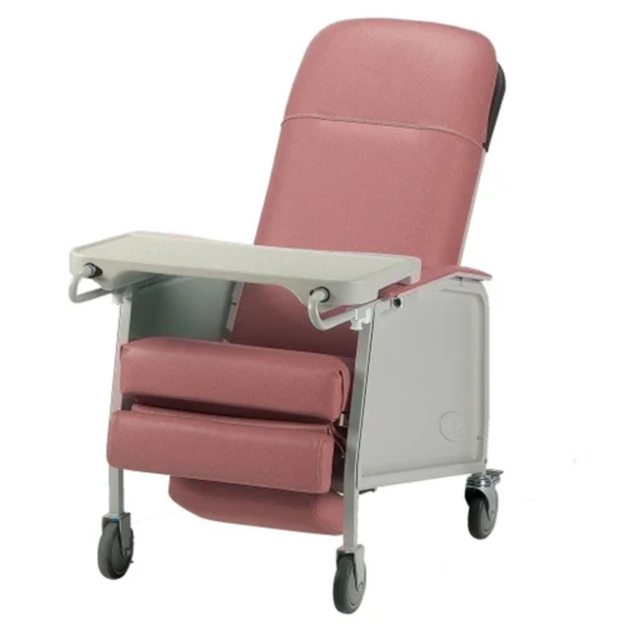
Comfort becomes increasingly important when you use a wheelchair for several hours each day. Look for supportive seating, a suitable backrest, and armrests that allow your shoulders to remain relaxed. Adjustable footrests can also help support your legs and keep your feet positioned appropriately.
Wheelchair cushions are another important consideration. Depending on your needs, a cushion may improve comfort, help distribute pressure, or provide additional positioning support. However, not every cushion suits every user. People at risk of pressure injuries should seek professional advice before selecting a pressure-relieving cushion.
Also, consider the material and padding of the seat and backrest. Breathable materials may help manage heat during extended use, while removable covers can make cleaning easier.
If you experience discomfort, numbness, or persistent pressure while seated, do not assume that a softer cushion will solve the problem. The seat dimensions, posture, and overall wheelchair setup may need adjustment.
5. Consider Portability and Ease of Use
The wheelchair should fit your lifestyle as well as your body. If you regularly attend appointments, visit family, or travel by car, consider how easily the chair folds, lifts, and fits into your vehicle. A lightweight model may reduce the effort required to handle it.
Storage is another practical factor. Measure your available space at home and check doorways, hallways, and turning areas. The wheelchair must move comfortably through the spaces where you plan to use it.
Think about the surfaces you encounter, too. Indoor use on smooth floors requires different features from outdoor travel over uneven paths. Beach wheelchairs, for instance, use wider wheels designed for sand and other challenging surfaces.
Finally, consider the caregiver’s needs if someone assists you. The chair’s weight, folding mechanism, brakes, and handles can affect how easily that person manages daily transfers and outings. A practical design should work for both the user and the person providing assistance.
6. Compare Features Before Buying a Wheelchair for Sale
Once you have identified suitable wheelchair types, compare their features, prices, and maintenance requirements. A lower purchase price may seem attractive, but it should not outweigh essential factors such as correct sizing, weight capacity, durability, and ease of use.
Check whether the wheelchair includes adjustable footrests, removable armrests, or other features you need. You may also want to compare compatible accessories, including cushions, lap trays, and wheelchair ramps. Make sure each accessory suits the chair and the user’s requirements.
Ask about the warranty, replacement parts, repair options, and return conditions before purchasing. These details can affect the long-term cost of ownership. If you are unsure which model fits your needs, ask a wheelchair specialist for guidance. A consultation can help you compare suitable options and identify sizing or positioning concerns before making a decision.
Conclusion
Choosing the right wheelchair involves more than finding a model within your budget. You need a chair that fits your body, supports your daily routine, and allows you to move comfortably through familiar surroundings.
Start by assessing your mobility needs, then compare wheelchair types, dimensions, seating support, portability, and essential features. If your needs involve complex positioning or extended sitting, seek advice from a qualified healthcare professional or seating specialist.
Taking time to evaluate these details can help you make a practical, informed decision and find a wheelchair that supports your comfort and mobility over time.