
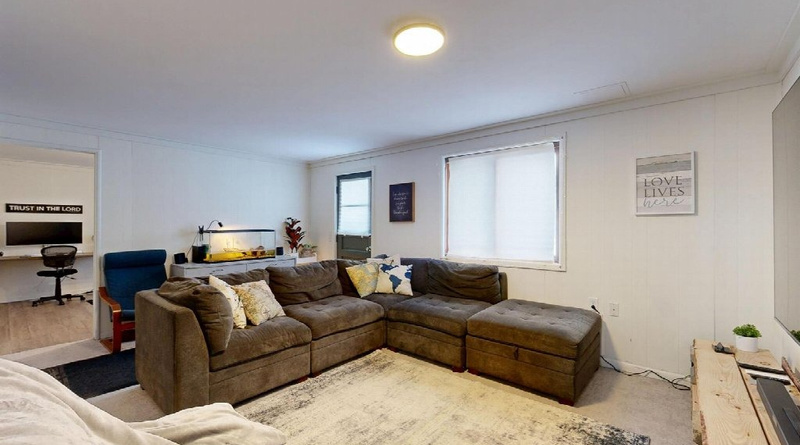
Why Folding Became the Design Language of Home Fitness Tech
Home fitness equipment has to share rooms with work, meals, guests, and the everyday route from one side of the house to the other. That changes what good design means. A machine can work well during a workout and still feel out of place when the room returns to its usual purpose.
Folding has become a visible response to that tension. It changes the machine’s shape when it is not in use, making storage part of the product experience rather than an afterthought. In that sense, folding is a design language: open, the machine is ready for movement; folded, it signals that the room can return to its other jobs. The useful question is whether the whole system—frame, incline, motor, controls, and app—supports both states.
Home fitness tech has to share the room
In a dedicated gym, a treadmill can stay open and ready. In a living room or home office, it may compete with a sofa, desk, dining table, or clear path through the space. Home equipment needs to work in two states: ready for exercise and stored without making the rest of the room difficult to use.
That makes the stored position part of the design, not just a line in a specification table. A folded frame might stand upright, lie flat, or still take up a broad patch of floor. Each option suits a different room. A narrow closet, a wall beside a desk, and a clear corner are not interchangeable storage spots.
Look for both the open and folded dimensions, then picture the machine in the actual room. Check the route around it too: a unit can fit beside a wall and still block a door, drawer, or walkway when you unfold it. “Compact” is useful only when you know which measurement is compact and where the machine is meant to go.
Folding is a motion problem, not a magic trick
A folding treadmill is a small mechanism that changes shape under load. The hinge, locking points, handrails, wheels, and lift-assist design determine whether that change feels controlled or awkward. A lighter frame may be easier to move, while a heavier machine may feel more substantial during faster workouts. Neither quality tells you where it can safely be stored.
The fold also changes how the product communicates with its surroundings. A clear lock, visible handhold, and predictable motion make the transition easier to understand. A slim silhouette alone does not. Good product information shows the open and stored positions, names the permitted storage orientations, and explains the steps needed to move between them.
Before choosing a foldable machine, ask how many actions separate a workout from storage. Do you lift the deck, release a latch, fold the side rails, or move the unit on wheels? Does it stand on its own in the stored position, or does the manufacturer require another support? Those are everyday-use questions, not minor details.
What does incline add to a treadmill?
Incline changes the angle of a treadmill deck, which changes how a workout feels. On a manual model, you may set the angle before starting. On a motorized model, a powered lift can adjust it during use, making gradual changes easier without stopping to reposition the machine.
That convenience comes with trade-offs. A moving deck needs room to rise, a lifting mechanism, and controls that make the change predictable. More incline levels can offer finer adjustment, but only if the steps are easy to understand and useful for your routine. A maximum percentage by itself does not tell you how smoothly the machine changes grade or whether it can do so while you are moving.
Incline also affects the rest of the setup. The deck changes height and angle, so check the handrail position, overhead clearance, and how you will step on and off. If you expect steady walking, a simple incline range may be more useful than a long list of programs. If you want varied sessions, presets can reduce the number of adjustments you make by hand.
Motors, sensors, and apps should earn their place
A motor’s advertised horsepower is one clue, not a complete measure of how a treadmill will feel. Product pages may report peak output, continuous output, or a figure without explaining the rating method. When comparing models, look for the stated speed range, intended activity, user-weight limit, and whether the manufacturer explains its motor rating. Match those details to walking, jogging, or running rather than choosing by the largest number.
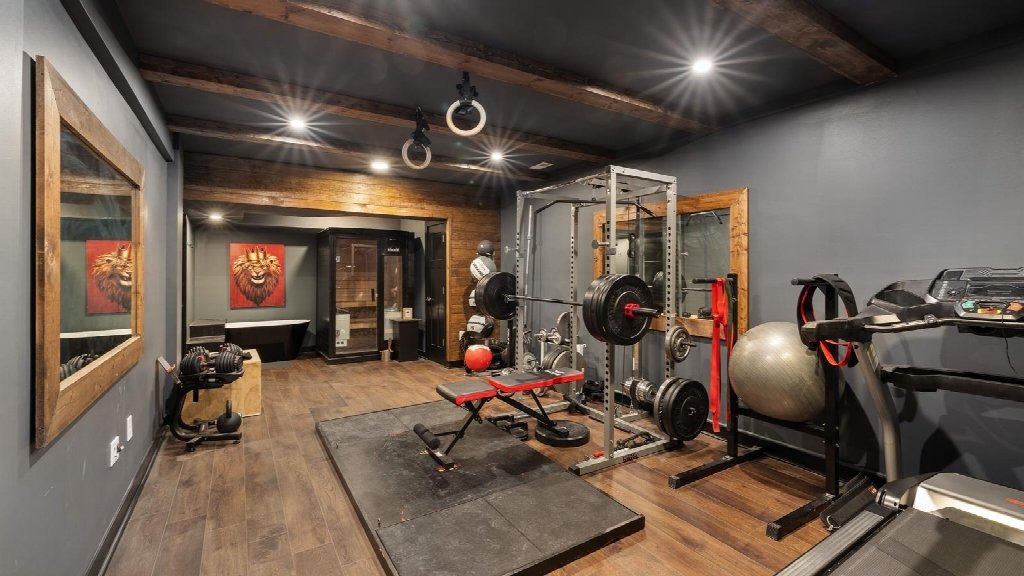
A dedicated room can leave equipment open; a shared room also needs a clear route back to its everyday layout.
Sensors and automatic modes can make operation easier, but they should be transparent. Find out what the machine detects, how it responds, and whether you can switch to manual control. A sensor that changes belt speed based on foot position may suit a hands-free walking routine; a runner who wants a steady pace may prefer direct controls. Do not assume that “smart” means the treadmill reads your body or adjusts safely without your input.
Apps are similar: the best one is the one you will actually use. Workout history, custom programs, or watch syncing can help you follow a routine. Pairing steps, account requirements, paid features, and reliance on a phone can add friction. Check which functions remain available from the console if your phone is in another room or the app is not connected.
When incline meets an upright fold
The WalkingPad G5i brings several of these design choices together. It offers motor-powered incline up to 18% across 25 levels and a speed range of 1 to 10 mph. The deck folds for flat or upright storage; folded dimensions are 45.7″ × 33.4″ × 10.2″. Those numbers describe the folded machine, not the floor area it occupies when standing upright, so measure the intended storage spot and follow the current instructions.
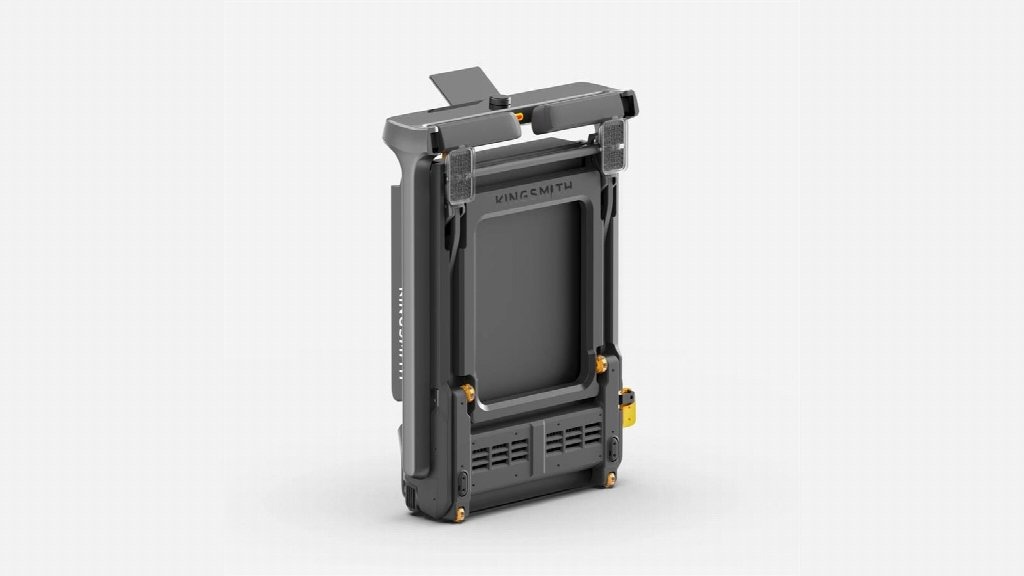
Controls matter alongside the mechanics. The G5i combines a SpeedDial control with KS Fit workout programs and supports Apple Watch heart-rate syncing through the app. The paired watch supplies the heart-rate reading; it is not a built-in treadmill sensor. Those options may suit someone who wants guided workouts and quick adjustments. Another user may care more about manual control and a storage position that fits their room.
If you want to compare those details against your room and routine, see the WalkingPad G5i auto-incline folding treadmill. Check the current product listing and instructions for operating and storage details before deciding where it will live.
Use the three-position test before you choose
Picture the treadmill in three positions, and measure each one before buying:
- Stored: Measure its full folded dimensions, the height and width of the space, and the route to that spot. Confirm the position is permitted by the manufacturer.
- Open: Measure the full deck and frame, then check doors, drawers, furniture, and the path people use every day.
- In use at incline: Allow for the deck’s raised position and check overhead clearance, handrail access, and the space needed to step on and off.
Then consider who will move the unit and how often you expect to fold it. If the setup takes too many steps for an ordinary weekday, the feature may not support the routine you have in mind.
A folding design succeeds when its features make sense beyond the product page. The deck should support the workout you want, controls should be easy to understand, and storage should leave the rest of the room usable. The most important innovation is not simply a machine that folds. It is a machine whose entire routine—from setup to storage—fits your home.